Special Web Offer - Get 50% OFF!
Grab Your Deal Now
PlantSnap
Plant Care
Purple coneflower
(Echinacea purpurea)
Also Known As
Purple coneflower, Eastern purple coneflower, Black-eyed susan, Echinacea
About This Plant
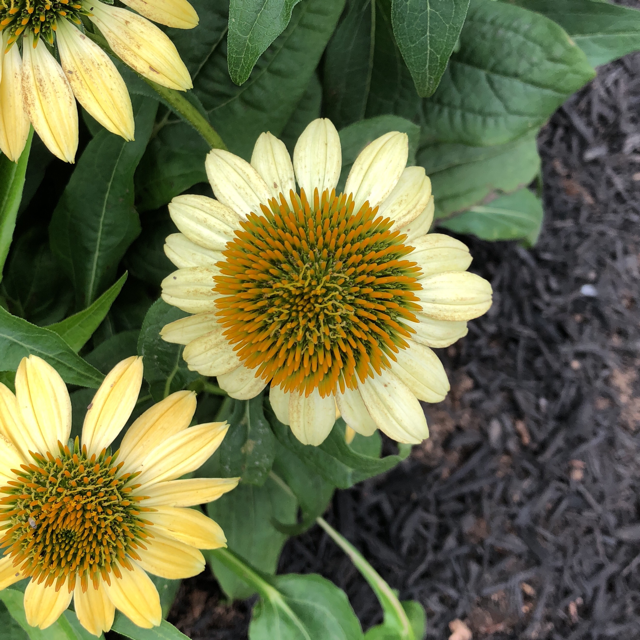
Echinacea purpurea is a herbaceous perennial plant that belongs to the Asteraceae family. It has a taproot and a hairy stem that can grow up to 1.5 m (5 ft) tall. The leaves are dark green, lanceolate, and have a rough texture. The flowers are pink-purple, daisy-like, and have a prominent cone-shaped center.
Plant Care Instructions
Outdoor Size Range
24-36 inches (61-91 cm)
Light Requirements
Echinacea purpurea prefers full sun to partial shade. It requires at least 6 hours of sunlight per day.
Humidity Needs
Echinacea purpurea is adaptable to different levels of humidity and does not require any specific humidity levels.
Fertilizing Schedule
Echinacea purpurea does not require fertilization. However, it can benefit from a light application of compost or organic fertilizer in the spring.
Pruning Guidelines
Echinacea purpurea does not require pruning. However, deadheading the spent flowers can encourage more blooms.
Common Pests and Diseases
Echinacea purpurea is relatively pest-free. However, it can be affected by aphids, spider mites, and powdery mildew.
Indoor Size Range
12-24 inches (30-61 cm)
Watering Schedule
Echinacea purpurea is drought-tolerant and does not require frequent watering. It should be watered deeply once a week during the growing season and only when the soil is dry to the touch.
Temperature Range
Echinacea purpurea can tolerate a wide range of temperatures, from -40°C (-40°F) to 38°C (100°F). It is hardy in USDA zones 3 to 9.
Growing Season
Echinacea purpurea blooms from midsummer to early fall.
Growing Difficulty Level
Echinacea purpurea is easy to grow and is a great choice for beginners.
USDA Hardiness Zones
3 to 9
Did You Know?
Echinacea purpurea has been used for centuries by Native Americans to treat various ailments, including wounds, snake bites, and toothaches.
