Special Web Offer - Get 50% OFF!
Grab Your Deal Now
PlantSnap
Plant Care
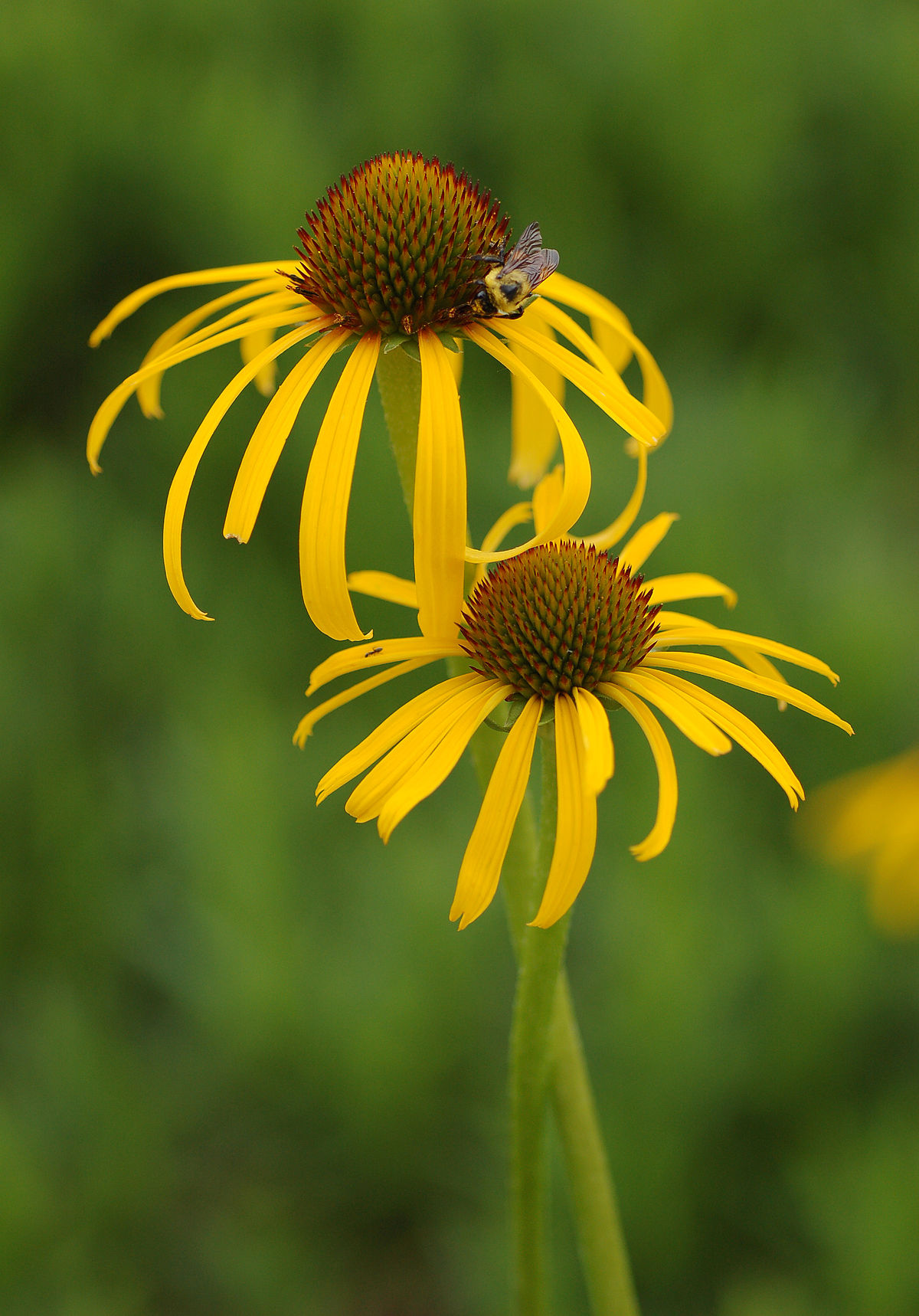
Yellow coneflower
(Echinacea paradoxa)
Also Known As
Yellow coneflower, Ozark coneflower, Prairie coneflower
About This Plant
Echinacea paradoxa, commonly known as yellow coneflower, is a herbaceous flowering plant native to North America. It is a member of the Asteraceae family and is known for its bright yellow daisy-like flowers and medicinal properties.
Plant Care Instructions
Outdoor Size Range
24-36 inches (61-91 cm)
Light Requirements
Yellow coneflower requires full sun to partial shade. It can tolerate some shade but will produce fewer flowers.
Humidity Needs
Yellow coneflower prefers low to moderate humidity levels.
Fertilizing Schedule
Yellow coneflower does not require fertilization but will benefit from a light application of a balanced fertilizer in the spring.
Pruning Guidelines
Yellow coneflower does not require pruning but can be deadheaded to encourage additional blooms.
Common Pests and Diseases
Yellow coneflower is relatively pest-free but may occasionally be affected by aphids or spider mites.
Indoor Size Range
12-24 inches (30-61 cm)
Watering Schedule
Yellow coneflower is drought tolerant and can survive on natural rainfall. However, it will benefit from occasional deep watering during extended dry periods.
Temperature Range
Yellow coneflower is hardy in USDA zones 3-8 and can tolerate a wide range of temperatures.
Growing Season
Yellow coneflower blooms from June to August.
Growing Difficulty Level
Yellow coneflower is relatively easy to grow and maintain, making it a great choice for beginner gardeners.
USDA Hardiness Zones
3-8
Did You Know?
Native Americans have long used Echinacea paradoxa for medicinal purposes, including as a treatment for snake bites and toothaches.
