Special Web Offer - Get 50% OFF!
Grab Your Deal Now
PlantSnap
Plant Care
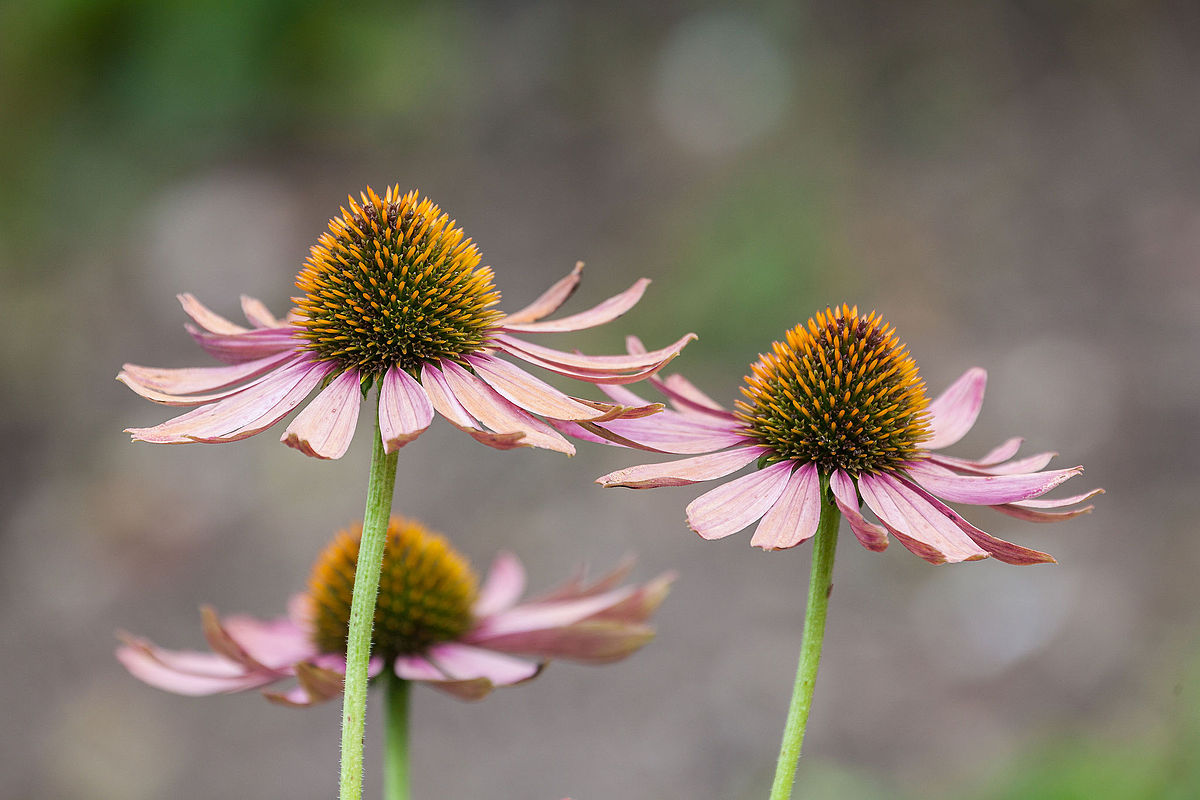
Pale purple coneflower
(Echinacea pallida)
Also Known As
Pale purple coneflower, Eastern purple coneflower, Purplish coneflower
About This Plant
Echinacea pallida is a herbaceous perennial plant species belonging to the Asteraceae family. It is native to central and eastern United States and is commonly known as Pale Purple Coneflower. The plant has a tall stem with a single flower head and long, narrow leaves.
Plant Care Instructions
Outdoor Size Range
24-36 inches (60-90 cm)
Light Requirements
Echinacea pallida requires full sun for at least 6 hours a day.
Humidity Needs
The plant prefers low humidity levels and can tolerate dry conditions.
Fertilizing Schedule
Echinacea pallida does not require much fertilizer. It can be fertilized once a year in the spring with a balanced fertilizer.
Pruning Guidelines
The plant should be pruned in the fall after the flowers have faded. The dead flower stems should be cut back to the ground.
Common Pests and Diseases
Echinacea pallida is relatively pest-free, but it can be affected by spider mites, aphids, and powdery mildew.
Indoor Size Range
12-24 inches (30-60 cm)
Watering Schedule
The plant requires moderate watering. It should be watered deeply once a week.
Temperature Range
The plant can tolerate a wide range of temperatures, from -30°F (-34°C) to 100°F (38°C).
Growing Season
The growing season for Echinacea pallida is from late spring to early fall.
Growing Difficulty Level
Echinacea pallida is easy to grow and requires minimal maintenance.
USDA Hardiness Zones
3-8
Did You Know?
Echinacea pallida is used in traditional medicine to treat colds, flu, and other respiratory infections.
