Special Web Offer - Get 50% OFF!
Grab Your Deal Now
PlantSnap
Plant Care
Henderson's dyakia
(Dyakia hendersoniana)
Also Known As
Henderson's dyakia, Dyakia, Henderson's orchid
About This Plant
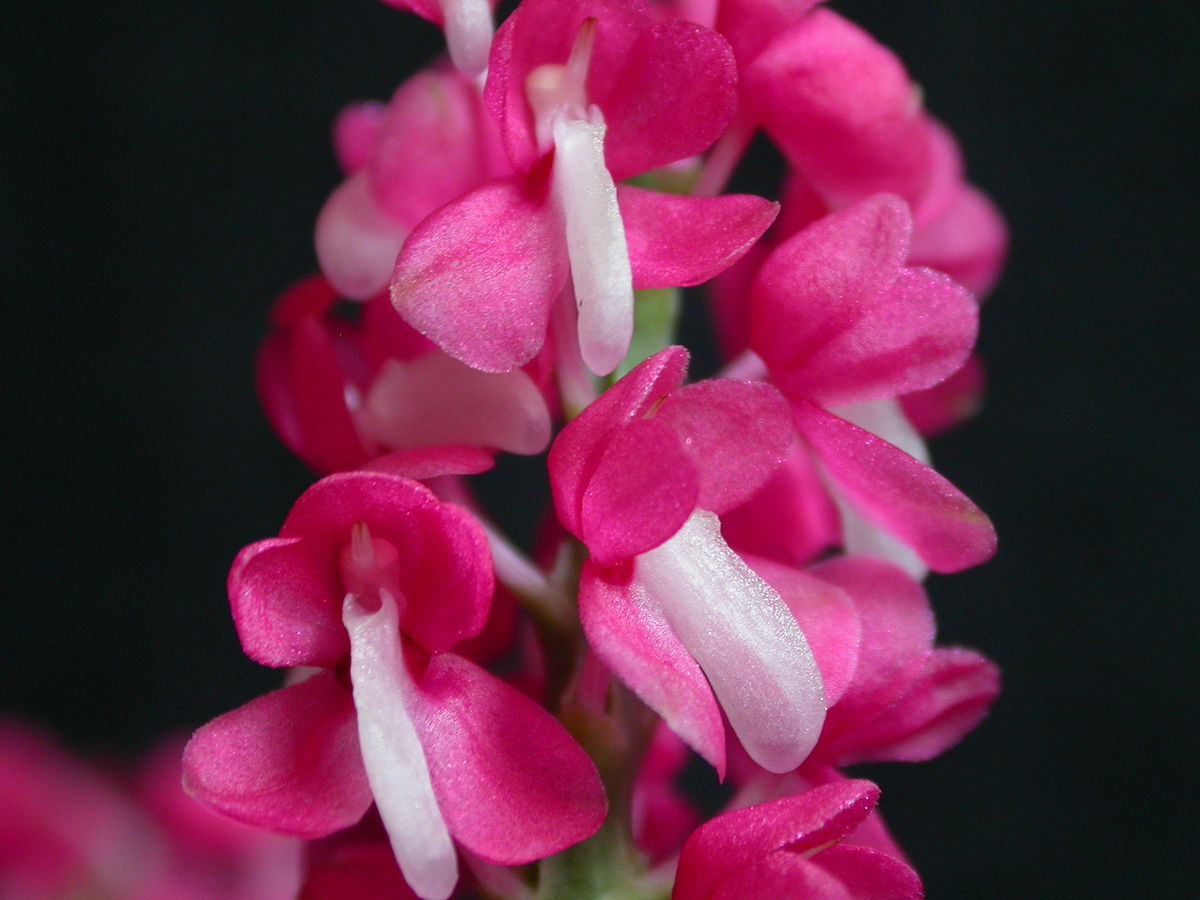
Dyakia hendersoniana is a small, slow-growing plant species that belongs to the family of Asparagaceae. It is native to Henderson Island, a part of the Pitcairn Islands in the South Pacific. The plant has a rosette of thin, fleshy leaves that are green in color and have a pointed tip. It produces a tall inflorescence that bears small, white flowers.
Plant Care Instructions
Outdoor Size Range
6-12 inches (15-30 cm)
Light Requirements
Dyakia hendersoniana prefers bright, indirect light. It can tolerate some direct sunlight but too much can scorch its leaves.
Humidity Needs
Dyakia hendersoniana prefers moderate to high humidity levels. It can benefit from occasional misting or placement on a pebble tray to increase humidity.
Fertilizing Schedule
The plant should be fertilized once a month during the growing season with a balanced, water-soluble fertilizer. No fertilizer is necessary during the dormant season.
Pruning Guidelines
Dyakia hendersoniana does not require pruning, but dead leaves should be removed to maintain the plant's appearance.
Common Pests and Diseases
Common pests for Dyakia hendersoniana include spider mites and mealybugs. Diseases are uncommon but can occur if the plant is overwatered.
Indoor Size Range
6-8 inches (15-20 cm)
Watering Schedule
The plant requires moderate watering. It should be watered when the top inch of soil is dry to the touch. Overwatering can lead to root rot.
Temperature Range
The plant prefers warm temperatures between 60-85°F (15-29°C). It can tolerate cooler temperatures but should be kept away from drafts.
Growing Season
The growing season for Dyakia hendersoniana is from spring to fall. It enters a dormant period in the winter.
Growing Difficulty Level
Dyakia hendersoniana is considered a moderately difficult plant to grow. It requires specific growing conditions and can be sensitive to changes in its environment.
USDA Hardiness Zones
Dyakia hendersoniana is not rated for USDA hardiness zones as it is a tropical plant species.
Did You Know?
Dyakia hendersoniana is named after Henderson Island, where it is found. The island is a UNESCO World Heritage Site and is home to many unique plant and animal species.
