Special Web Offer - Get 50% OFF!
Grab Your Deal Now
PlantSnap
Plant Care
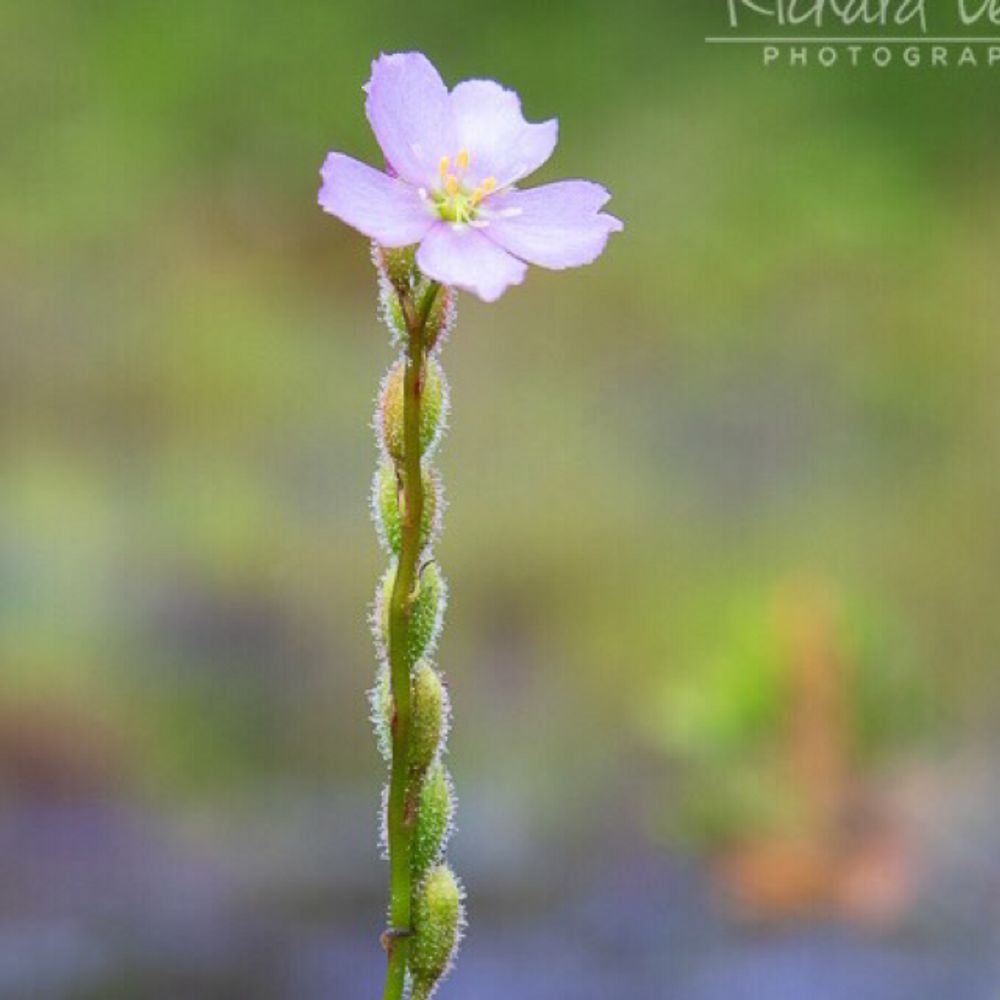
Thread-leaved sundew
(Drosera filiformis)
Also Known As
Thread-leaved sundew, Threadleaf sundew, Filiform sundew
About This Plant
Drosera filiformis is a carnivorous plant species that is native to the southeastern United States. It is a perennial herb that grows from a basal rosette of thread-like leaves. The leaves are covered in glandular hairs that secrete a sticky mucilage to trap insects, which are then digested by the plant's enzymes.
Plant Care Instructions
Outdoor Size Range
6-12 inches (15-30 cm)
Light Requirements
Drosera filiformis requires full sun to partial shade. Indoors, it can be grown under fluorescent lights or LED grow lights.
Humidity Needs
Drosera filiformis prefers high humidity, around 50-70%. It can be grown in a terrarium or with a humidifier to increase humidity levels.
Fertilizing Schedule
Drosera filiformis does not require fertilizer, as it obtains its nutrients from the insects it catches. However, a diluted solution of insectivorous plant fertilizer can be applied sparingly during the growing season.
Pruning Guidelines
Drosera filiformis does not require pruning, as it is a small plant that grows in a basal rosette.
Common Pests and Diseases
Common pests for Drosera filiformis include spider mites, aphids, and mealybugs. Diseases are not common, but fungal infections can occur if the plant is kept too wet.
Indoor Size Range
6-12 inches (15-30 cm)
Watering Schedule
Drosera filiformis requires constantly moist soil. Rainwater or distilled water is best, as tap water can contain minerals that may harm the plant.
Temperature Range
Drosera filiformis prefers warm temperatures, around 70-85°F (21-29°C). It can tolerate cooler temperatures down to 50°F (10°C) but may become dormant during the winter months.
Growing Season
Drosera filiformis grows during the spring and summer months.
Growing Difficulty Level
Drosera filiformis is moderately difficult to grow, as it requires specific growing conditions and a constant supply of insects to feed on.
USDA Hardiness Zones
Drosera filiformis is hardy in USDA zones 7-10.
Did You Know?
Drosera filiformis is one of the smallest sundew species, with leaves that are only a few centimeters long.