Special Web Offer - Get 50% OFF!
Grab Your Deal Now
PlantSnap
Plant Care
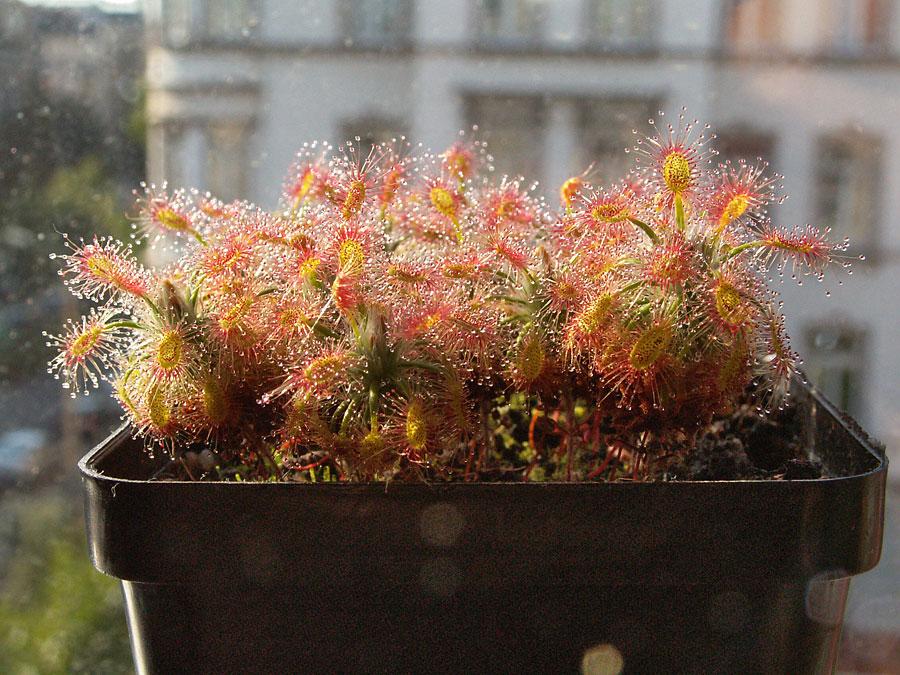
Rainbow sundew
(Drosera dichrosepala)
Also Known As
Rainbow sundew, Australian sundew, Dichrosepalus sundew
About This Plant
Drosera dichrosepala, commonly known as the Orange Sundew, is a carnivorous plant species that belongs to the Droseraceae family. It is native to Australia and is known for its bright orange leaves that attract insects for feeding. The plant has a rosette of leaves that are covered in sticky hairs that trap and digest insects.
Plant Care Instructions
Outdoor Size Range
6-12 inches (15-30 cm)
Light Requirements
The Orange Sundew requires bright, direct sunlight for at least 6 hours a day. It can also tolerate partial shade.
Humidity Needs
The Orange Sundew requires high humidity levels, between 50-80%. This can be achieved by placing the plant on a tray of pebbles filled with water.
Fertilizing Schedule
The Orange Sundew does not require fertilizer, as it obtains its nutrients from insects. However, it can benefit from occasional feeding of live insects such as fruit flies or gnats.
Pruning Guidelines
The plant does not require pruning, but dead leaves should be removed to prevent fungal growth.
Common Pests and Diseases
Common pests for the Orange Sundew include spider mites, aphids, and mealybugs. Diseases such as fungal leaf spot and root rot can also occur if the plant is overwatered.
Indoor Size Range
6-8 inches (15-20 cm)
Watering Schedule
The plant should be watered with distilled or rainwater, as tap water can harm the plant. The soil should be kept moist at all times, but not waterlogged.
Temperature Range
The plant prefers temperatures between 60-80°F (15-27°C) during the day and 50-60°F (10-15°C) at night.
Growing Season
The Orange Sundew can be grown year-round indoors, but it prefers warm temperatures during the summer months for outdoor growth.
Growing Difficulty Level
The Orange Sundew is considered a moderately difficult plant to grow, as it requires specific growing conditions and can be susceptible to pests and diseases.
USDA Hardiness Zones
The Orange Sundew is not frost-tolerant and can be grown outdoors in USDA hardiness zones 9-11.
Did You Know?
The Orange Sundew is one of the few carnivorous plants that is not found in the Americas. It is native to Australia and can be found in the wild in wetlands and bogs.
