Special Web Offer - Get 50% OFF!
Grab Your Deal Now
PlantSnap
Plant Care
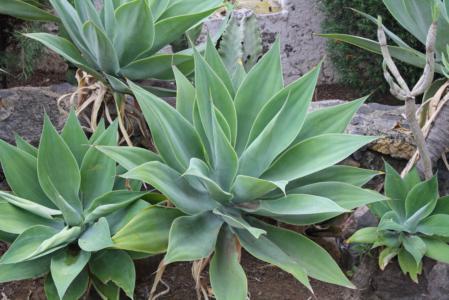
Socotra dragon tree
(Dracaena cinnabari)
Also Known As
Socotra dragon tree, Dragon's blood tree, Dracaena
About This Plant
Dracaena cinnabari is a unique and striking plant species that is native to the Socotra archipelago in the Indian Ocean. It is a tree-like succulent that can grow up to 10 meters (33 feet) tall, with a single trunk and a crown of sword-shaped leaves at the top. The most distinctive feature of the Dracaena cinnabari is its sap, which is bright red and has been used for medicinal and cultural purposes for centuries.
Plant Care Instructions
Outdoor Size Range
Up to 33 feet (10 meters)
Light Requirements
Dracaena cinnabari prefers bright, indirect sunlight. It can tolerate some direct sunlight but too much can cause leaf burn.
Humidity Needs
Dracaena cinnabari prefers low to moderate humidity levels, but can tolerate higher levels as well.
Fertilizing Schedule
Dracaena cinnabari does not require frequent fertilization. Fertilize only once or twice a year during the growing season with a balanced, water-soluble fertilizer.
Pruning Guidelines
Prune only to remove dead or damaged leaves. This plant species is slow-growing and does not require frequent pruning.
Common Pests and Diseases
Common pests for Dracaena cinnabari include spider mites, mealybugs, and scale insects.
Indoor Size Range
N/A
Watering Schedule
This plant species prefers to be kept on the drier side and can tolerate periods of drought. Water only when the soil is completely dry, usually every 7-10 days.
Temperature Range
This plant species prefers warm temperatures between 65-80°F (18-27°C). It can tolerate slightly cooler temperatures but should not be exposed to temperatures below 50°F (10°C).
Growing Season
Dracaena cinnabari can be grown year-round in warm climates, but is best planted in the spring or summer in cooler climates.
Growing Difficulty Level
Dracaena cinnabari is considered to be a moderately difficult plant to grow. It requires specific growing conditions and can be sensitive to changes in environment.
USDA Hardiness Zones
USDA hardiness zones 10-12
Did You Know?
The bright red sap of the Dracaena cinnabari has been used for centuries as a dye, medicine, and varnish. It was also believed to have magical and spiritual properties by the indigenous people of Socotra.
