Special Web Offer - Get 50% OFF!
Grab Your Deal Now
PlantSnap
Plant Care
Brandegee's ditaxis
(Ditaxis brandegeei)
Also Known As
Brandegee's ditaxis, Laurel-leaved ditaxis
About This Plant
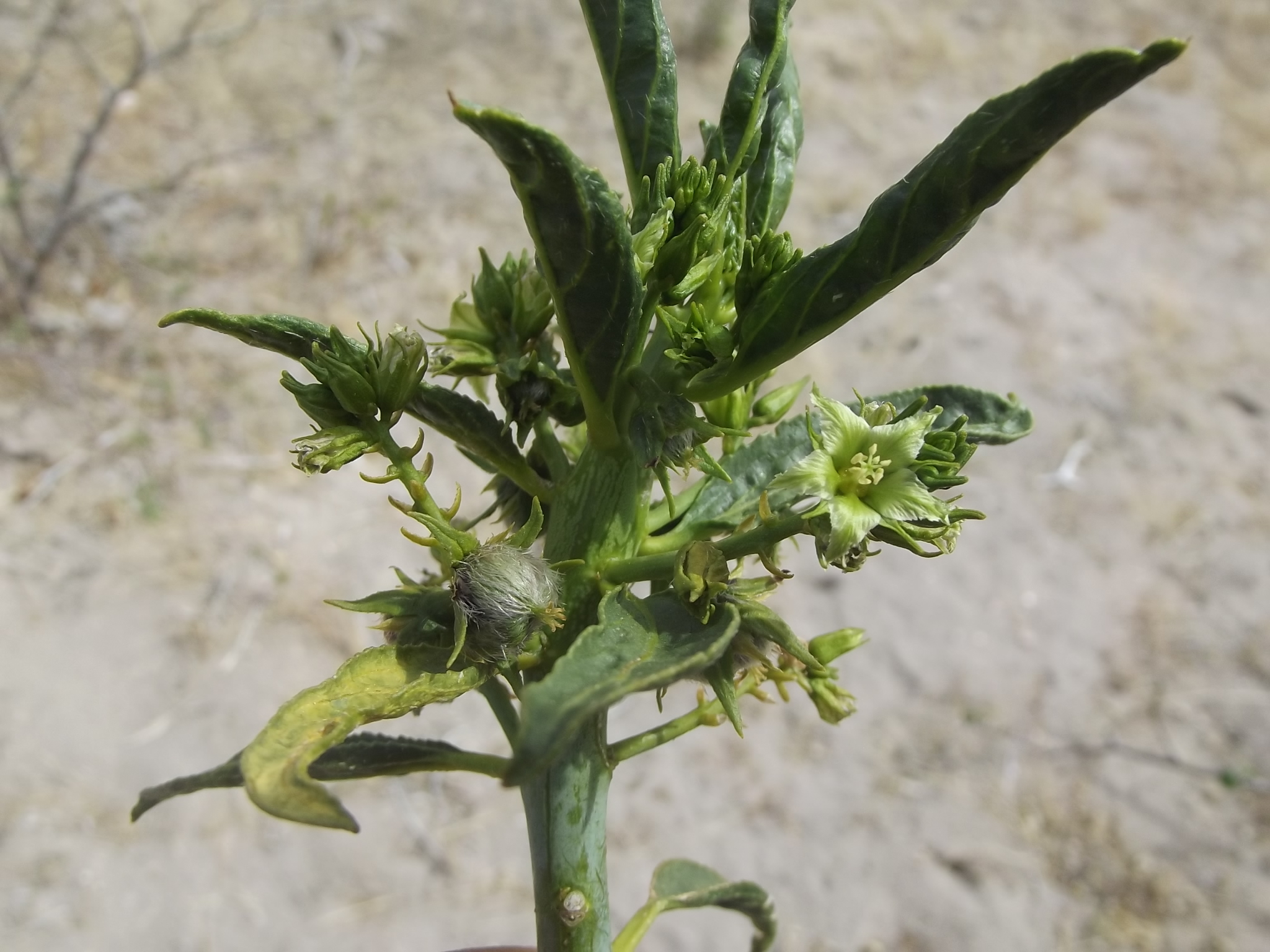
Ditaxis brandegeei is a small shrub or tree that belongs to the family Euphorbiaceae. It is native to the southwestern United States and northwestern Mexico. The plant has a grayish-brown bark and green leaves that are oval-shaped and have serrated edges. It produces small green flowers that turn into brown capsules filled with seeds.
Plant Care Instructions
Outdoor Size Range
3-10 feet (0.9-3 meters)
Light Requirements
Brandegee's Ditaxis prefers full sun to partial shade. It can tolerate some shade, but it may not flower as well.
Humidity Needs
Brandegee's Ditaxis prefers low to medium humidity levels. It can tolerate some dryness in the air.
Fertilizing Schedule
The plant does not require much fertilizer. It can be fertilized once a month during the growing season with a balanced fertilizer.
Pruning Guidelines
The plant should be pruned in the late winter or early spring to remove any dead or damaged branches. It can also be pruned to shape the plant.
Common Pests and Diseases
Brandegee's Ditaxis is not known to have any serious pest or disease problems.
Indoor Size Range
N/A
Watering Schedule
The plant should be watered regularly, but it can tolerate some drought. It is important not to overwater the plant as it can lead to root rot.
Temperature Range
The plant can tolerate a wide range of temperatures, but it prefers warm temperatures between 60-85°F (15-29°C). It cannot tolerate frost.
Growing Season
The growing season for Brandegee's Ditaxis is from late spring to early fall.
Growing Difficulty Level
Brandegee's Ditaxis is relatively easy to grow and maintain.
USDA Hardiness Zones
Brandegee's Ditaxis is hardy in USDA zones 8-11.
Did You Know?
Brandegee's Ditaxis is named after the American botanist Townshend Stith Brandegee, who collected the first specimen of the plant in Baja California in 1889.
