Special Web Offer - Get 50% OFF!
Grab Your Deal Now
PlantSnap
Plant Care
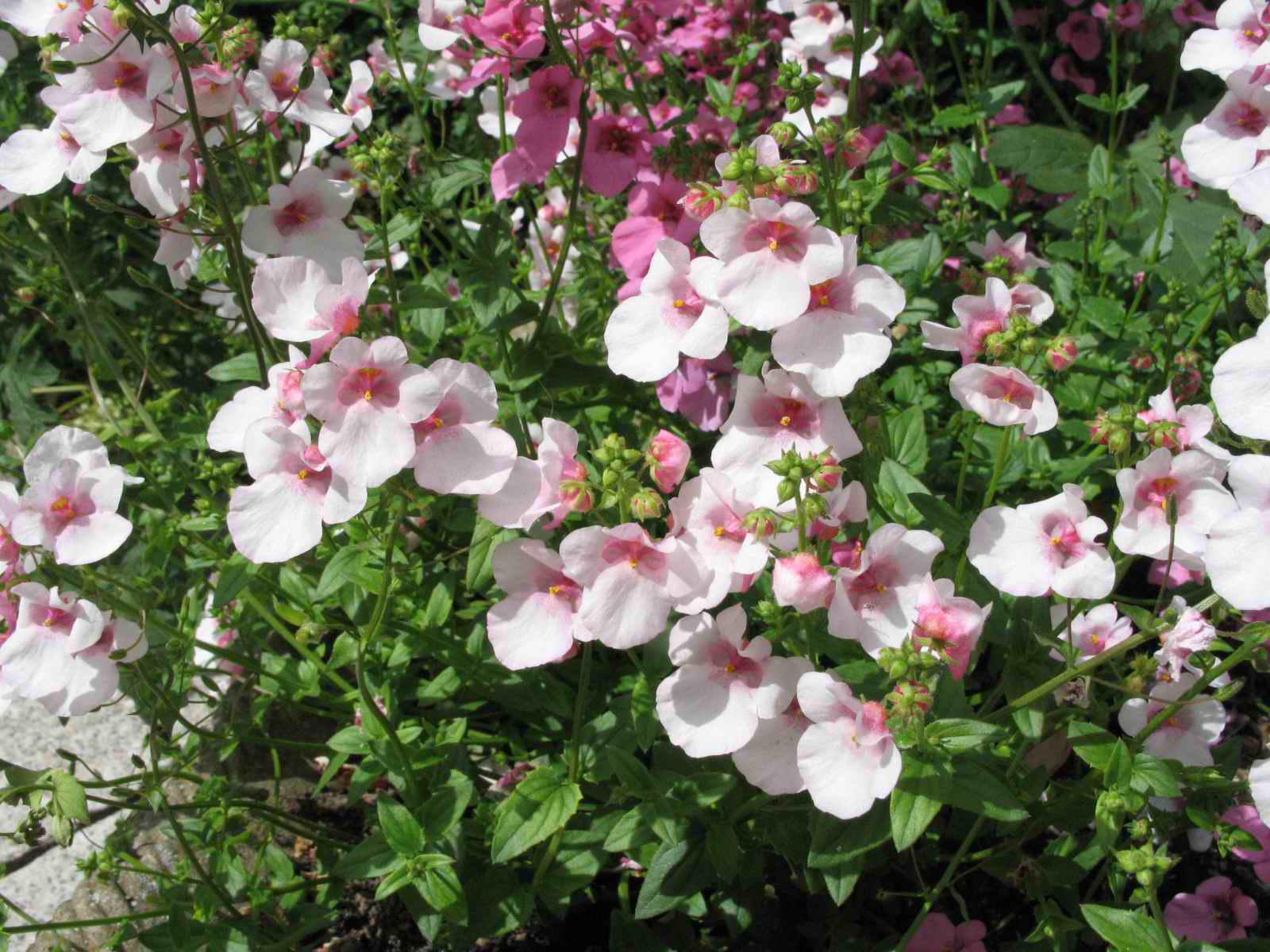
Twinspur
(Diascia barberae)
Also Known As
Twinspur, Angelonia, Rock rose
About This Plant
Diascia barberae is a flowering plant species that belongs to the family Scrophulariaceae. It is a perennial plant that is native to South Africa, and it is commonly known as the Twinspur plant due to its unique flower shape.
Plant Care Instructions
Outdoor Size Range
12-18 inches (30-45 cm)
Light Requirements
Diascia barberae prefers full sun to partial shade, and it requires at least 6 hours of sunlight per day to bloom properly.
Humidity Needs
Diascia barberae prefers moderate humidity levels, but it can tolerate lower humidity levels as well.
Fertilizing Schedule
Feed Diascia barberae with a balanced, water-soluble fertilizer every two weeks during the growing season.
Pruning Guidelines
Deadhead spent flowers regularly to encourage new blooms. Cut back the plant by one-third in the fall to promote bushier growth.
Common Pests and Diseases
Common pests for Diascia barberae include aphids, spider mites, and whiteflies. Diseases that may affect this plant species include powdery mildew and root rot.
Indoor Size Range
6-12 inches (15-30 cm)
Watering Schedule
This plant species prefers to be kept consistently moist, but not waterlogged. Water it when the top inch of soil feels dry to the touch.
Temperature Range
This plant species prefers temperatures between 60-75°F (15-24°C), and it can tolerate temperatures as low as 50°F (10°C).
Growing Season
The growing season for Diascia barberae is from late spring to early fall.
Growing Difficulty Level
Diascia barberae is considered a moderately difficult plant to grow, as it requires consistent care and attention to thrive.
USDA Hardiness Zones
Diascia barberae is hardy in USDA zones 9-11.
Did You Know?
Diascia barberae is a popular plant for attracting hummingbirds to the garden due to its unique flower shape and bright colors.
