Special Web Offer - Get 50% OFF!
Grab Your Deal Now
PlantSnap
Plant Care
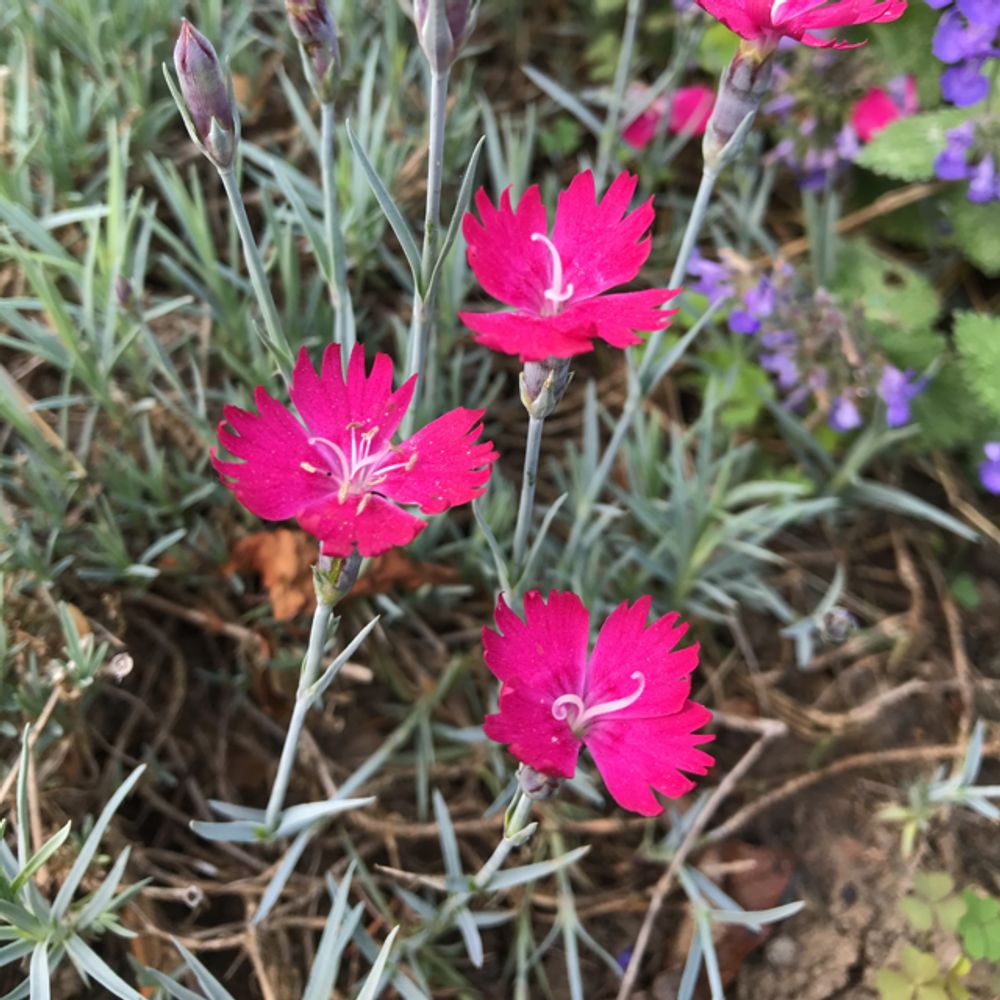
Cheddar pink
(Dianthus gratianopolitanus)
Also Known As
Cheddar pink, Gratianopolitan pink, Dianthus
About This Plant
Dianthus gratianopolitanus, commonly known as Cheddar pink, is a perennial herbaceous plant that belongs to the Caryophyllaceae family. It is native to Europe and is widely cultivated for its attractive pink flowers and sweet fragrance.
Plant Care Instructions
Outdoor Size Range
6-12 inches (15-30 cm)
Light Requirements
Cheddar pink requires full sun to partial shade, with at least 4-6 hours of direct sunlight per day.
Humidity Needs
It can tolerate dry conditions and does not require high humidity.
Fertilizing Schedule
Fertilize once a month during the growing season with a balanced fertilizer.
Pruning Guidelines
Deadhead spent flowers to promote new growth and maintain a tidy appearance. Cut back the plant by one-third in early spring to encourage bushier growth.
Common Pests and Diseases
Cheddar pink is relatively pest-free, but it can be susceptible to root rot if overwatered.
Indoor Size Range
6-12 inches (15-30 cm)
Watering Schedule
It prefers well-draining soil and moderate watering. Avoid overwatering as it can lead to root rot.
Temperature Range
It can tolerate a wide range of temperatures, from -30°F (-34°C) to 100°F (38°C).
Growing Season
Cheddar pink blooms from late spring to early summer.
Growing Difficulty Level
Cheddar pink is easy to grow and maintain, making it an ideal choice for novice gardeners.
USDA Hardiness Zones
It is hardy in USDA zones 3-9.
Did You Know?
Cheddar pink gets its name from the Cheddar Gorge in England, where it is commonly found growing in the wild.
