Special Web Offer - Get 50% OFF!
Grab Your Deal Now
PlantSnap
Plant Care
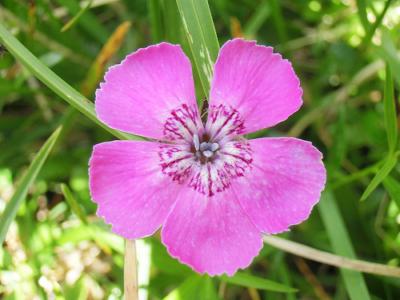
Alpine pink
(Dianthus glacialis)
Also Known As
Alpine pink, Glacial pink
About This Plant
Dianthus glacialis is a flowering plant species that belongs to the Caryophyllaceae family. It is a small, herbaceous perennial plant that grows up to 10 cm in height. The plant produces a basal rosette of leaves and stems with solitary flowers. The flowers are pink or purple and have a spicy fragrance.
Plant Care Instructions
Outdoor Size Range
6-10 inches (15-25 cm)
Light Requirements
Dianthus glacialis requires full sun to partial shade. It is best to place it in a location that receives at least 6 hours of direct sunlight per day.
Humidity Needs
Dianthus glacialis prefers low to moderate humidity levels. It can tolerate some dryness, but avoid letting the soil dry out completely.
Fertilizing Schedule
Fertilize the plant once a month during the growing season with a balanced fertilizer. Avoid over-fertilizing, as this can lead to leggy growth and fewer flowers.
Pruning Guidelines
Deadhead the spent flowers to promote continuous blooming. Cut back the plant by one-third after the flowering season to encourage bushier growth.
Common Pests and Diseases
Dianthus glacialis is generally pest-free, but it can be susceptible to aphids, spider mites, and thrips. Treat infestations with insecticidal soap or neem oil.
Indoor Size Range
6-8 inches (15-20 cm)
Watering Schedule
The plant prefers well-draining soil that is kept evenly moist. Water the plant deeply once a week, but make sure not to overwater it, as this can lead to root rot.
Temperature Range
The plant prefers cool temperatures between 50-65°F (10-18°C). It can tolerate some frost, but avoid exposing it to temperatures below 32°F (0°C).
Growing Season
Dianthus glacialis blooms in late spring to early summer.
Growing Difficulty Level
Dianthus glacialis is considered moderately difficult to grow. It requires well-draining soil, cool temperatures, and proper watering and fertilization. However, with the right care, it can be a rewarding plant to grow.
USDA Hardiness Zones
Dianthus glacialis is hardy in USDA zones 3-7.
Did You Know?
Dianthus glacialis is commonly known as the Alpine Pink, but it is not actually pink. The flowers are usually purple or magenta in color.
