Special Web Offer - Get 50% OFF!
Grab Your Deal Now
PlantSnap
Plant Care
Carnation
(Dianthus bicolor)
Also Known As
Carnation, Rainbow pink, Two-tone pink, Dianthus
About This Plant
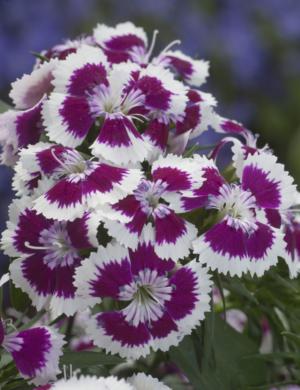
Dianthus bicolor is a species of flowering plant in the family Caryophyllaceae, native to Spain and Portugal. It is a small, evergreen perennial that typically grows to 10-15 cm tall and 15-20 cm wide. The plant produces small, pink or white flowers with a distinctive red ring around the center.
Plant Care Instructions
Outdoor Size Range
10-15 inches (25-38 cm)
Light Requirements
Dianthus bicolor prefers full sun to partial shade. It needs at least 6 hours of direct sunlight per day.
Humidity Needs
Dianthus bicolor prefers moderate humidity levels. It can tolerate some dryness, but avoid letting the soil completely dry out.
Fertilizing Schedule
Feed the plant with a balanced, water-soluble fertilizer every 2-3 weeks during the growing season. Reduce feeding in the winter months.
Pruning Guidelines
Deadhead the flowers regularly to promote continuous blooming. Cut back the plant by one-third in early spring to encourage bushy growth.
Common Pests and Diseases
Dianthus bicolor is relatively pest-free, but can be susceptible to aphids, spider mites, and fungal diseases if the plant is overwatered or crowded.
Indoor Size Range
6-12 inches (15-30 cm)
Watering Schedule
Water the plant regularly, keeping the soil moist but not waterlogged. Allow the top inch of soil to dry out before watering again. Avoid getting water on the leaves and flowers, as this can cause fungal diseases.
Temperature Range
The plant prefers cool to moderate temperatures, between 60-75°F (15-24°C). It can tolerate some heat, but avoid temperatures above 80°F (27°C).
Growing Season
Dianthus bicolor blooms from late spring to early summer, with occasional blooms throughout the summer and fall.
Growing Difficulty Level
Dianthus bicolor is relatively easy to grow, making it a good choice for beginners. It requires regular watering and deadheading, but is otherwise low-maintenance.
USDA Hardiness Zones
Dianthus bicolor is hardy in USDA zones 5-8.
Did You Know?
The genus name Dianthus comes from the Greek words dios, meaning 'god', and anthos, meaning 'flower'. The plant is also known as 'two-coloured pink' because of the distinctive red ring around the center of its flowers.
