Special Web Offer - Get 50% OFF!
Grab Your Deal Now
PlantSnap
Plant Care
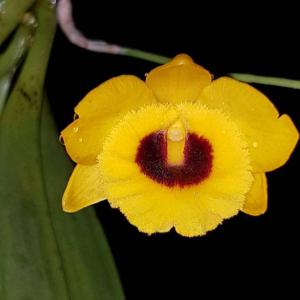
Golden bow dendrobium
(Dendrobium chrysotoxum)
Also Known As
Golden bow dendrobium, Golden orchid, Dendrobium gold, Chrysotoxum dendrobium
About This Plant
Dendrobium chrysotoxum is a species of orchid native to Southeast Asia. It has long, thin stems covered in small, pointed leaves and produces clusters of yellow flowers with red markings.
Plant Care Instructions
Outdoor Size Range
18-24 inches (45-60 cm)
Light Requirements
Dendrobium chrysotoxum prefers bright, indirect light. It can tolerate some direct sunlight in the morning or late afternoon, but too much direct light can burn the leaves and flowers.
Humidity Needs
Dendrobium chrysotoxum prefers moderate to high humidity levels, around 50-70%. You can increase humidity by misting the leaves with water or placing a humidifier near the plant.
Fertilizing Schedule
Fertilize Dendrobium chrysotoxum once a month during the growing season with a balanced orchid fertilizer. Reduce fertilizer during the dormant season.
Pruning Guidelines
Prune Dendrobium chrysotoxum after it has finished flowering to encourage new growth. Cut back the stems to just above a node or joint.
Common Pests and Diseases
Common pests for Dendrobium chrysotoxum include spider mites, mealybugs, and scale insects. Watch for signs of infestation, such as webbing, sticky residue, or tiny insects on the leaves and stems.
Indoor Size Range
12-18 inches (30-45 cm)
Watering Schedule
Water Dendrobium chrysotoxum once a week during the growing season, and once every two weeks during the dormant season. Water thoroughly, allowing the water to drain out of the bottom of the pot.
Temperature Range
Dendrobium chrysotoxum prefers warm temperatures between 60-80°F (15-27°C). It can tolerate slightly cooler temperatures at night, but avoid temperatures below 50°F (10°C).
Growing Season
Dendrobium chrysotoxum grows best during the spring and summer months.
Growing Difficulty Level
Dendrobium chrysotoxum is considered moderately difficult to grow. It requires specific light, temperature, and humidity conditions, and can be susceptible to pests and diseases.
USDA Hardiness Zones
Dendrobium chrysotoxum is not suitable for outdoor cultivation in the United States, but it can be grown indoors in any zone.
Did You Know?
Dendrobium chrysotoxum is sometimes called the 'Golden Toxiferous Dendrobium' because it produces a toxic sap that can cause skin irritation and other symptoms if ingested.
