Special Web Offer - Get 50% OFF!
Grab Your Deal Now
PlantSnap
Plant Care
Caucasian daphne
(Daphne caucasica)
Also Known As
Caucasian daphne, Daphne, Caucasian spurge laurel
About This Plant
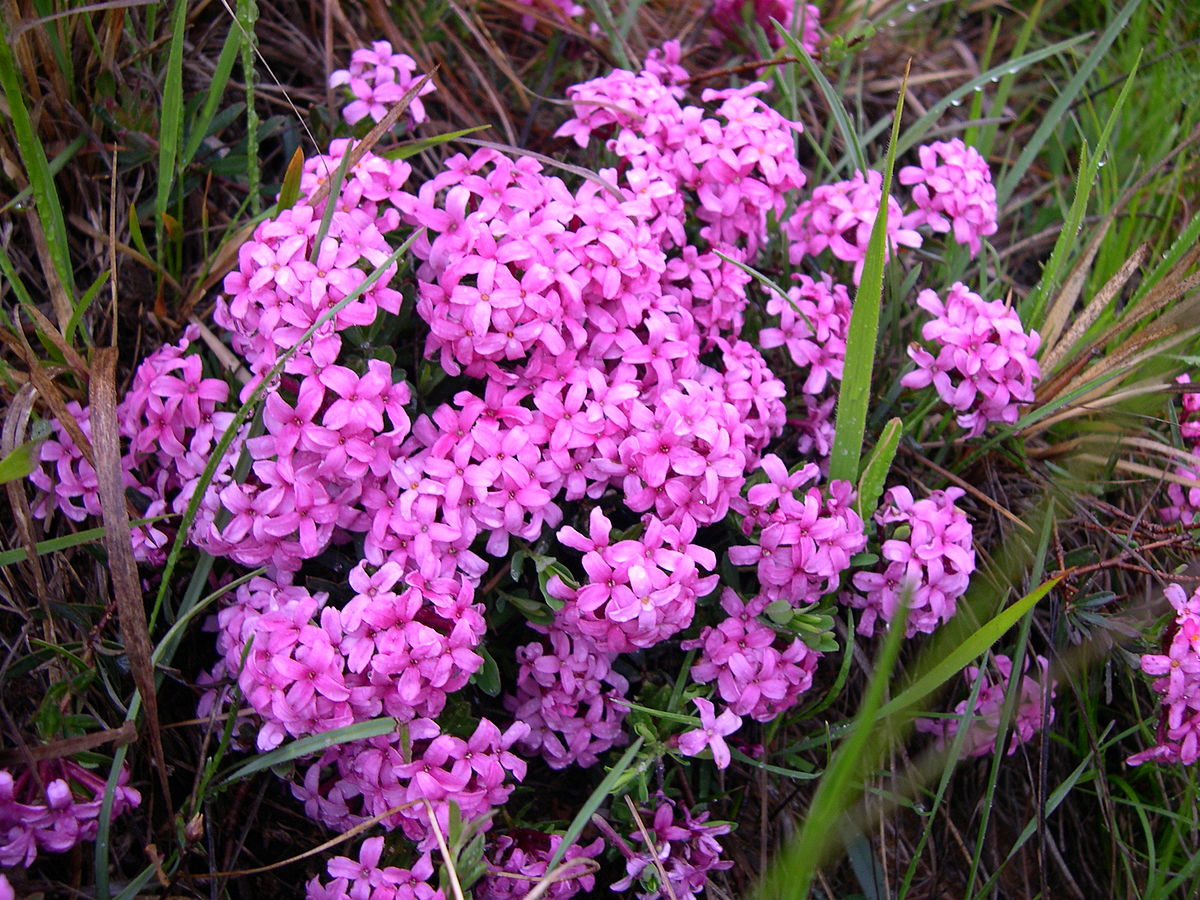
Daphne caucasica is a deciduous shrub that typically grows up to 1.5 meters tall. The plant has a compact habit and produces clusters of fragrant, pale pink flowers that bloom in late winter to early spring. The leaves are narrow and glossy green, turning yellow in the fall.
Plant Care Instructions
Outdoor Size Range
3-5 feet (0.9-1.5 meters)
Light Requirements
Daphne caucasica prefers partial shade to full sun. In hot climates, it benefits from some afternoon shade.
Humidity Needs
Daphne caucasica prefers moderate to high humidity levels. Use a humidifier or pebble tray to increase humidity around the plant.
Fertilizing Schedule
Fertilize Daphne caucasica with a balanced fertilizer in the spring before new growth appears. Avoid over-fertilizing, as this can damage the plant.
Pruning Guidelines
Prune Daphne caucasica after flowering to maintain its shape and promote new growth. Remove any dead or damaged branches.
Common Pests and Diseases
Common pests of Daphne caucasica include spider mites, scale insects, and aphids. Diseases such as leaf spot and powdery mildew can also affect the plant.
Indoor Size Range
12-24 inches (30-60 cm)
Watering Schedule
The plant prefers moist but well-drained soil. Water regularly during the growing season, but reduce watering in the fall and winter.
Temperature Range
The plant prefers cool to moderate temperatures between 50-75°F (10-24°C). It can tolerate brief periods of frost, but not prolonged freezing temperatures.
Growing Season
Daphne caucasica grows in the late winter to early spring.
Growing Difficulty Level
Daphne caucasica is moderately difficult to grow. It requires specific growing conditions, such as cool temperatures and moderate humidity, and can be susceptible to pests and diseases.
USDA Hardiness Zones
Daphne caucasica is hardy in USDA zones 7-9.
Did You Know?
In ancient Greece, Daphne was a nymph who was turned into a laurel tree to escape the advances of the god Apollo. The genus Daphne is named after her.