Special Web Offer - Get 50% OFF!
Grab Your Deal Now
PlantSnap
Plant Care
Dandelion
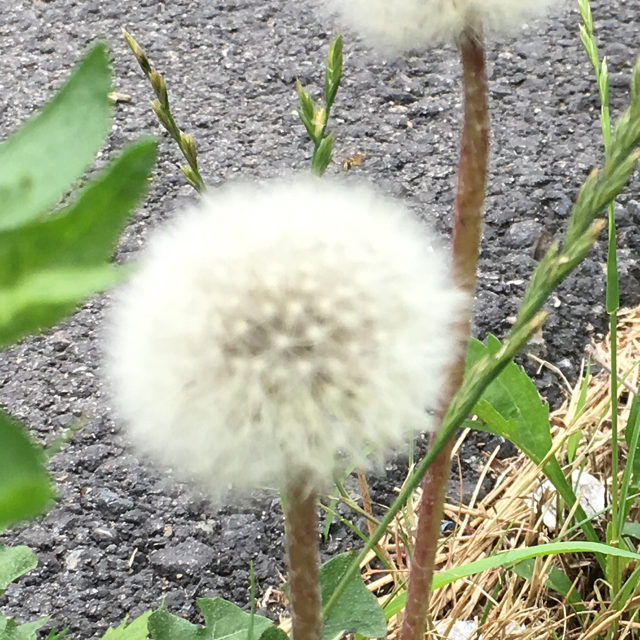
(Dandelion puffs)
Also Known As
Dandelion, Lion's tooth, Taraxacum
About This Plant
Dandelion puffs are a species of flowering plant in the Asteraceae family. They are known for their distinctive yellow flowers that turn into fluffy white seed heads, which disperse in the wind. The plant has a long taproot and can grow up to 12 inches (30 cm) tall.
Plant Care Instructions
Outdoor Size Range
Up to 12 inches (30 cm)
Light Requirements
Dandelion puffs require full sun to partial shade. They can tolerate some shade, but will not grow as well.
Humidity Needs
Dandelion puffs do not have any specific humidity requirements.
Fertilizing Schedule
Dandelion puffs do not require fertilizer, but can benefit from a light application of compost or other organic matter in the spring.
Pruning Guidelines
Dandelion puffs do not require pruning, but can be mowed or trimmed to keep them from spreading too much.
Common Pests and Diseases
Dandelion puffs are generally pest-free, but can be susceptible to aphids or other sap-sucking insects. They can also be affected by powdery mildew or other fungal diseases.
Indoor Size Range
N/A
Watering Schedule
Dandelion puffs are drought-tolerant and do not require much watering. They prefer well-drained soil and can tolerate dry conditions.
Temperature Range
Dandelion puffs can tolerate a wide range of temperatures, from -40°F (-40°C) to 100°F (38°C). They are hardy in USDA zones 3-10.
Growing Season
Dandelion puffs can grow year-round in mild climates, but typically grow from early spring to late fall.
Growing Difficulty Level
Dandelion puffs are very easy to grow and can even be considered a weed in some areas.
USDA Hardiness Zones
USDA hardiness zones 3-10
Did You Know?
Dandelion puffs are not only beautiful, but also edible! The leaves can be used in salads, the flowers can be made into wine, and the roots can be roasted and used as a coffee substitute.
