Special Web Offer - Get 50% OFF!
Grab Your Deal Now
PlantSnap
Plant Care
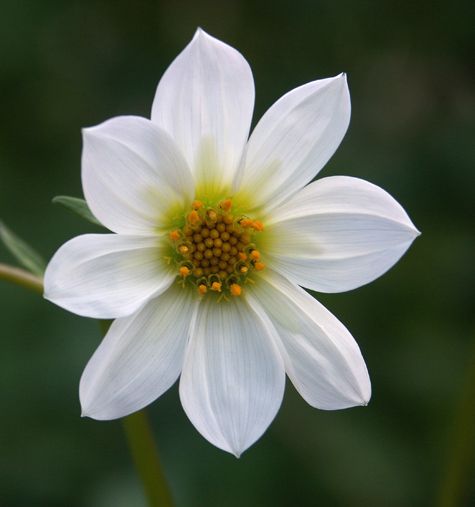
Dahlia
(Dahlia dissecta)
Also Known As
Dahlia, Fernleaf dahlia, Dissected dahlia
About This Plant
Dahlia dissecta is a species of flowering plant in the family Asteraceae, native to Mexico. It is a herbaceous perennial, growing up to 1.5 m (5 ft) tall. The plant produces tuberous roots and bears large, pink or purple flowers with a yellow center.
Plant Care Instructions
Outdoor Size Range
36-60 inches (91-152 cm)
Light Requirements
Mexican Dahlias require full sun to partial shade. They need at least 6 hours of direct sunlight per day.
Humidity Needs
Mexican Dahlias prefer moderate humidity levels. Keep them away from dry air and drafty areas.
Fertilizing Schedule
Fertilize Mexican Dahlias with a balanced fertilizer every 2-3 weeks during the growing season. Use a fertilizer with a higher phosphorus content to encourage blooming.
Pruning Guidelines
Prune Mexican Dahlias to promote bushier growth and remove dead or damaged stems. Pinch off the top 1-2 inches of new growth to encourage branching.
Common Pests and Diseases
Mexican Dahlias are susceptible to aphids, spider mites, and whiteflies. Treat infestations with insecticidal soap or neem oil.
Indoor Size Range
N/A
Watering Schedule
Water regularly, especially in the growing season. Make sure the soil is moist but not waterlogged.
Temperature Range
Mexican Dahlias prefer warm temperatures between 60-70°F (16-21°C). They are not frost-tolerant and should be protected from cold temperatures.
Growing Season
Mexican Dahlias grow best in the summer and fall months. They can be planted in the spring once the threat of frost has passed.
Growing Difficulty Level
Mexican Dahlias are moderately difficult to grow. They require regular watering, fertilization, and protection from cold temperatures. However, they are relatively pest and disease-free.
USDA Hardiness Zones
Mexican Dahlias are hardy in USDA zones 8-10.
Did You Know?
The Aztecs used the tubers of the Dahlia plant for food and medicine. They believed that the plant had healing properties and could be used to treat epilepsy and other ailments.
