Special Web Offer - Get 50% OFF!
Grab Your Deal Now
PlantSnap
Plant Care
Umbrella sedge
(Cyperus serotinus)
Also Known As
Umbrella sedge, Late-flowering flatsedge, Serotinous bulrush, Common flatsedge
About This Plant
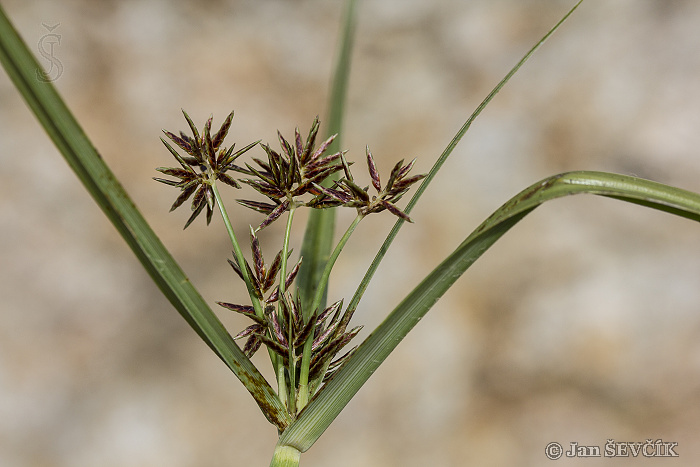
Cyperus serotinus is a perennial sedge that grows up to 3 feet (90 cm) tall. It has triangular stems and long, narrow leaves that grow from the base of the plant. The flowers are small and brown and are arranged in clusters at the top of the stem.
Plant Care Instructions
Outdoor Size Range
Up to 3 feet (90 cm)
Light Requirements
Cyperus serotinus prefers full sun to partial shade. It can tolerate some shade, but too much shade can cause the plant to become leggy and weak.
Humidity Needs
Cyperus serotinus prefers high humidity levels. It is a good idea to mist the plant regularly to increase humidity.
Fertilizing Schedule
Cyperus serotinus does not require much fertilizer. A balanced fertilizer can be applied once a month during the growing season.
Pruning Guidelines
Cyperus serotinus does not require much pruning. Dead or yellowing leaves can be removed as needed.
Common Pests and Diseases
Cyperus serotinus is relatively pest-free. However, it can be susceptible to spider mites and mealybugs.
Indoor Size Range
Not suitable for indoor cultivation
Watering Schedule
Cyperus serotinus prefers moist soil and can even grow in standing water. It is important to keep the soil consistently moist, but not waterlogged.
Temperature Range
Cyperus serotinus prefers warm temperatures between 60-80°F (15-27°C). It can tolerate cooler temperatures, but growth may slow down.
Growing Season
Cyperus serotinus can be grown year-round in tropical climates. In cooler climates, it is best to grow it during the warm months.
Growing Difficulty Level
Cyperus serotinus is relatively easy to grow as long as its basic requirements are met.
USDA Hardiness Zones
Cyperus serotinus is hardy in USDA zones 8-11.
Did You Know?
Cyperus serotinus is often used in wetland restoration projects because of its ability to tolerate standing water and help prevent soil erosion.