Special Web Offer - Get 50% OFF!
Grab Your Deal Now
PlantSnap
Plant Care
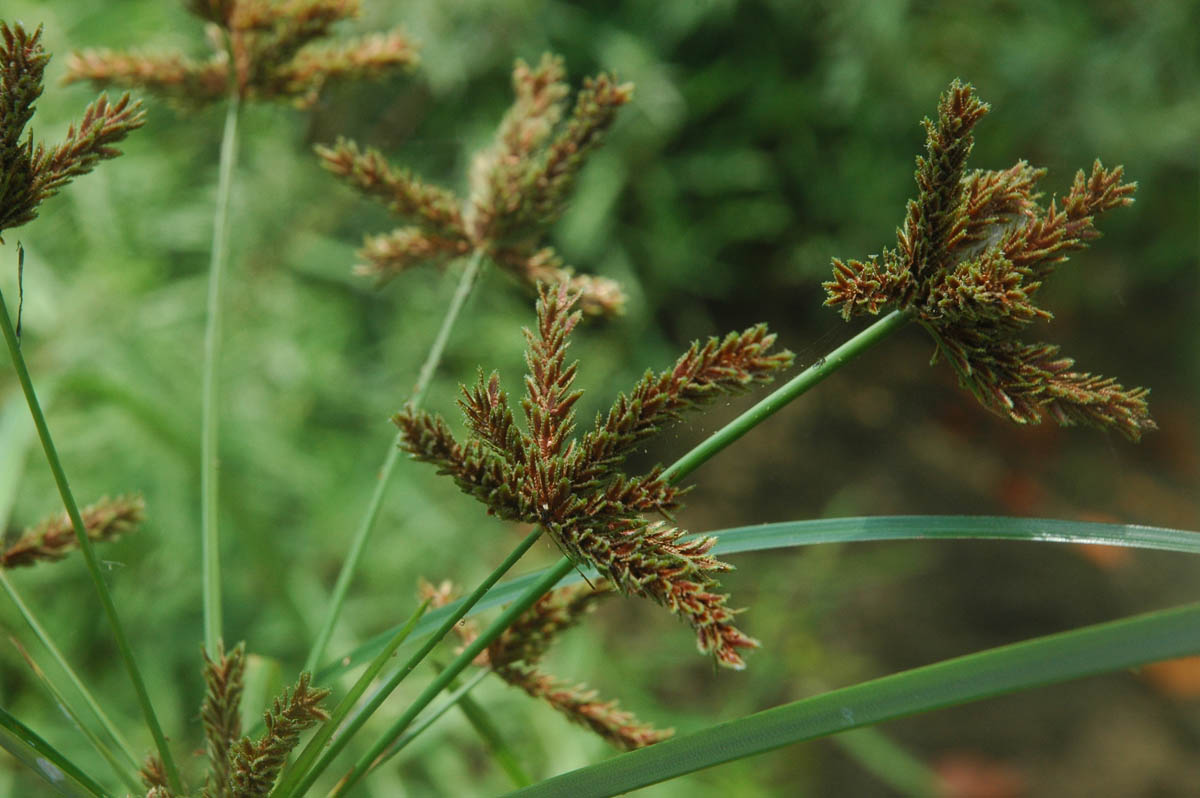
Imbricate flatsedge
(Cyperus imbricatus)
Also Known As
Imbricate flatsedge, Umbrella sedge, Thatched sedge
About This Plant
Cyperus imbricatus is a species of sedge that is native to Africa and Madagascar. It has a grass-like appearance with long, slender leaves and small, brown flowers that are arranged in umbrella-like clusters. It is commonly known as the Sedge of the Nile.
Plant Care Instructions
Outdoor Size Range
24-36 inches (60-90 cm)
Light Requirements
Cyperus imbricatus prefers bright, indirect light but can tolerate some shade. Avoid direct sunlight as it can scorch the leaves.
Humidity Needs
This plant prefers high humidity levels. Mist the leaves regularly or place the pot on a tray filled with pebbles and water to increase humidity.
Fertilizing Schedule
Fertilize the plant once a month during the growing season (spring and summer) with a balanced liquid fertilizer. Do not fertilize during the dormant season (fall and winter).
Pruning Guidelines
Prune the plant to remove any dead or yellowing leaves. You can also trim the plant to control its size and shape.
Common Pests and Diseases
Common pests that can affect Cyperus imbricatus include spider mites, mealybugs, and scale insects. It is also susceptible to root rot if overwatered.
Indoor Size Range
12-24 inches (30-60 cm)
Watering Schedule
Keep the soil moist but not waterlogged. Water the plant when the top inch of soil feels dry to the touch. Do not let the soil dry out completely.
Temperature Range
Cyperus imbricatus prefers warm temperatures between 60-75°F (15-24°C). Avoid placing it in areas with cold drafts.
Growing Season
The growing season for Cyperus imbricatus is spring and summer.
Growing Difficulty Level
Cyperus imbricatus is considered moderately difficult to grow. It requires high humidity levels and consistent watering.
USDA Hardiness Zones
Cyperus imbricatus is not frost-tolerant and is only suitable for growing in USDA hardiness zones 10-12.
Did You Know?
In ancient Egypt, Cyperus imbricatus was used to make paper and baskets. The plant was also associated with the god Osiris and was used in religious ceremonies.