Special Web Offer - Get 50% OFF!
Grab Your Deal Now
PlantSnap
Plant Care
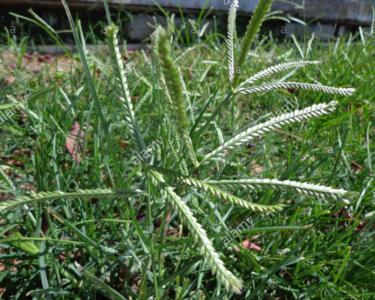
Bermuda grass
(Cynodon dactylon)
Also Known As
Bermuda grass, Bermudagrass, Couch grass, Bahama grass, Wiregrass
About This Plant
Cynodon dactylon is a warm-season perennial grass that is found in tropical, subtropical, and temperate regions worldwide. It is known for its ability to withstand drought and heavy grazing. The plant has a creeping growth habit and can form a dense mat of roots and stems. The leaves are flat and have a bluish-green color. The plant produces small, inconspicuous flowers in spikes that are 2-5 cm long.
Plant Care Instructions
Outdoor Size Range
2-3 inches (5-7.6 cm) in height
Light Requirements
Bermuda grass requires full sun for optimal growth. It can tolerate some shade but will not grow as vigorously.
Humidity Needs
Bermuda grass can tolerate a wide range of humidity levels.
Fertilizing Schedule
Bermuda grass requires regular fertilization during the growing season. A balanced fertilizer with a ratio of 3-1-2 (nitrogen-phosphorus-potassium) is recommended.
Pruning Guidelines
Bermuda grass should be mowed regularly to a height of 1-2 inches (2.5-5 cm). It can be mowed shorter for a more manicured look but should not be mowed shorter than 0.5 inches (1.3 cm).
Common Pests and Diseases
Common pests of Bermuda grass include armyworms, chinch bugs, and grubs. Diseases that can affect Bermuda grass include dollar spot, brown patch, and rust.
Indoor Size Range
Not suitable for indoor growth
Watering Schedule
Bermuda grass is drought-tolerant and does not require frequent watering. However, it should be watered deeply once a week during periods of drought.
Temperature Range
Bermuda grass is a warm-season grass and thrives in temperatures between 75-90°F (24-32°C). It can tolerate temperatures as low as 50°F (10°C) but will go dormant below 60°F (15°C).
Growing Season
Bermuda grass is a warm-season grass and grows best during the summer months.
Growing Difficulty Level
Bermuda grass is relatively easy to grow and maintain. However, it can become invasive and may require regular maintenance to keep it in check.
USDA Hardiness Zones
7-10
Did You Know?
Bermuda grass is used for grazing by many types of livestock, including cattle, sheep, and horses. It is also used as a turfgrass for golf courses and athletic fields.
