Special Web Offer - Get 50% OFF!
Grab Your Deal Now
PlantSnap
Plant Care
Little neptune grass
(Cymodocea nodosa)
Also Known As
Little neptune grass, Cymodocea, Seagrass, Nodosus seagrass
About This Plant
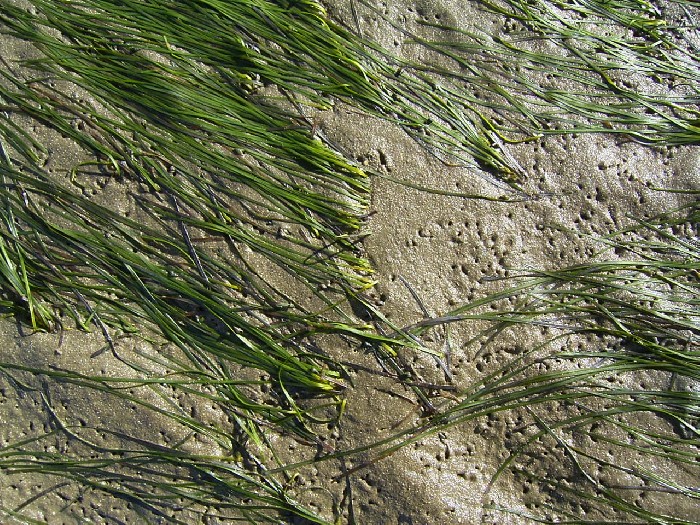
Cymodocea nodosa is a species of seagrass that is commonly found in the Mediterranean Sea and the Atlantic Ocean. It has long, narrow leaves that are typically around 30-50 cm (11.8-19.7 inches) in length and 5-10 mm (0.2-0.4 inches) in width. The leaves are arranged in dense clusters and have a dark green coloration. The roots of Cymodocea nodosa are rhizomatous and can grow up to 2 meters (6.6 feet) in length.
Plant Care Instructions
Outdoor Size Range
Cymodocea nodosa can grow up to 2 meters (6.6 feet) in length
Light Requirements
Cymodocea nodosa requires full sunlight to grow and thrive. It is recommended to place it in a location where it can receive at least 6 hours of direct sunlight per day.
Humidity Needs
Cymodocea nodosa is a seagrass and requires a high level of humidity to grow. It is recommended to keep it submerged in seawater.
Fertilizing Schedule
Cymodocea nodosa does not require fertilizer as it obtains all the necessary nutrients from the surrounding seawater.
Pruning Guidelines
Cymodocea nodosa does not require pruning as it is a seagrass and will naturally shed its leaves as they age.
Common Pests and Diseases
Cymodocea nodosa is relatively resistant to pests and diseases. However, it can be affected by grazing animals such as sea urchins and turtles.
Indoor Size Range
Not applicable for indoor cultivation
Watering Schedule
Cymodocea nodosa is a saltwater plant and does not require regular watering. It obtains all the necessary nutrients from the surrounding seawater.
Temperature Range
Cymodocea nodosa can tolerate a wide range of temperatures, from 10-30°C (50-86°F). However, it grows best in temperatures between 20-25°C (68-77°F).
Growing Season
Cymodocea nodosa can be grown year-round in a suitable saltwater environment.
Growing Difficulty Level
Cymodocea nodosa is relatively easy to grow in a saltwater environment. However, it requires specific conditions and is not suitable for cultivation in a home aquarium.
USDA Hardiness Zones
Cymodocea nodosa is not applicable for USDA hardiness zones as it is a marine plant.
Did You Know?
Cymodocea nodosa is an important plant for seagrass meadows as it helps to stabilize the sediment and provides a habitat for many marine organisms.
