Special Web Offer - Get 50% OFF!
Grab Your Deal Now
PlantSnap
Plant Care
Mediterranean cypress
(Cupressus sempervirens)
Also Known As
Mediterranean cypress, Italian cypress, Narrow-leaved cypress
About This Plant
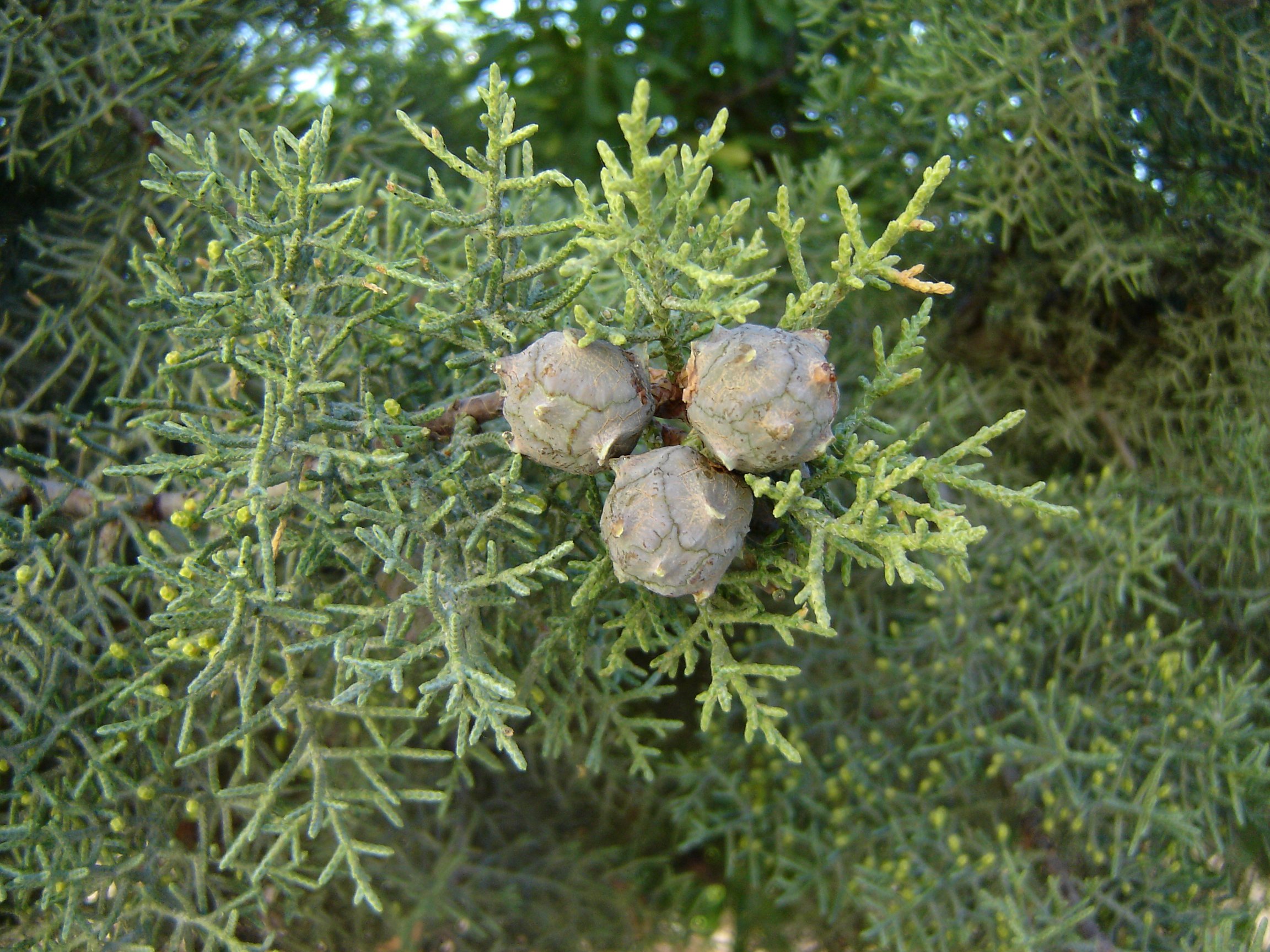
Cupressus sempervirens is an evergreen coniferous tree that belongs to the Cupressaceae family. It has a columnar shape and can grow up to 115 feet (35 meters) tall. The leaves are scale-like and arranged in opposite pairs, giving the tree a feathery appearance. The bark is grayish-brown and fibrous.
Plant Care Instructions
Outdoor Size Range
20-115 feet (6-35 meters)
Light Requirements
Cupressus sempervirens prefers full sun, but can also tolerate partial shade.
Humidity Needs
It prefers low to moderate humidity levels.
Fertilizing Schedule
It does not require much fertilizer, but can benefit from a slow-release fertilizer applied in early spring.
Pruning Guidelines
Pruning is not necessary, but can be done to maintain the desired shape or remove dead or damaged branches.
Common Pests and Diseases
Cupressus sempervirens is susceptible to cypress canker, a fungal disease that causes the tree to develop brown patches and dieback. It can also be affected by spider mites and scale insects.
Indoor Size Range
Not suitable for indoor cultivation
Watering Schedule
It is drought-tolerant, but requires regular watering during the first few years of growth to establish a healthy root system. Afterward, it can thrive with little to no watering.
Temperature Range
It can tolerate a wide range of temperatures, from -5°F to 110°F (-21°C to 43°C)
Growing Season
Spring and fall are the best times to plant Cupressus sempervirens.
Growing Difficulty Level
Cupressus sempervirens is considered easy to grow, as it is drought-tolerant and requires little maintenance once established.
USDA Hardiness Zones
7-10
Did You Know?
The Mediterranean cypress has been associated with death and the afterlife since ancient times. It was often planted in cemeteries and used to make coffins and sarcophagi.
