Special Web Offer - Get 50% OFF!
Grab Your Deal Now
PlantSnap
Plant Care
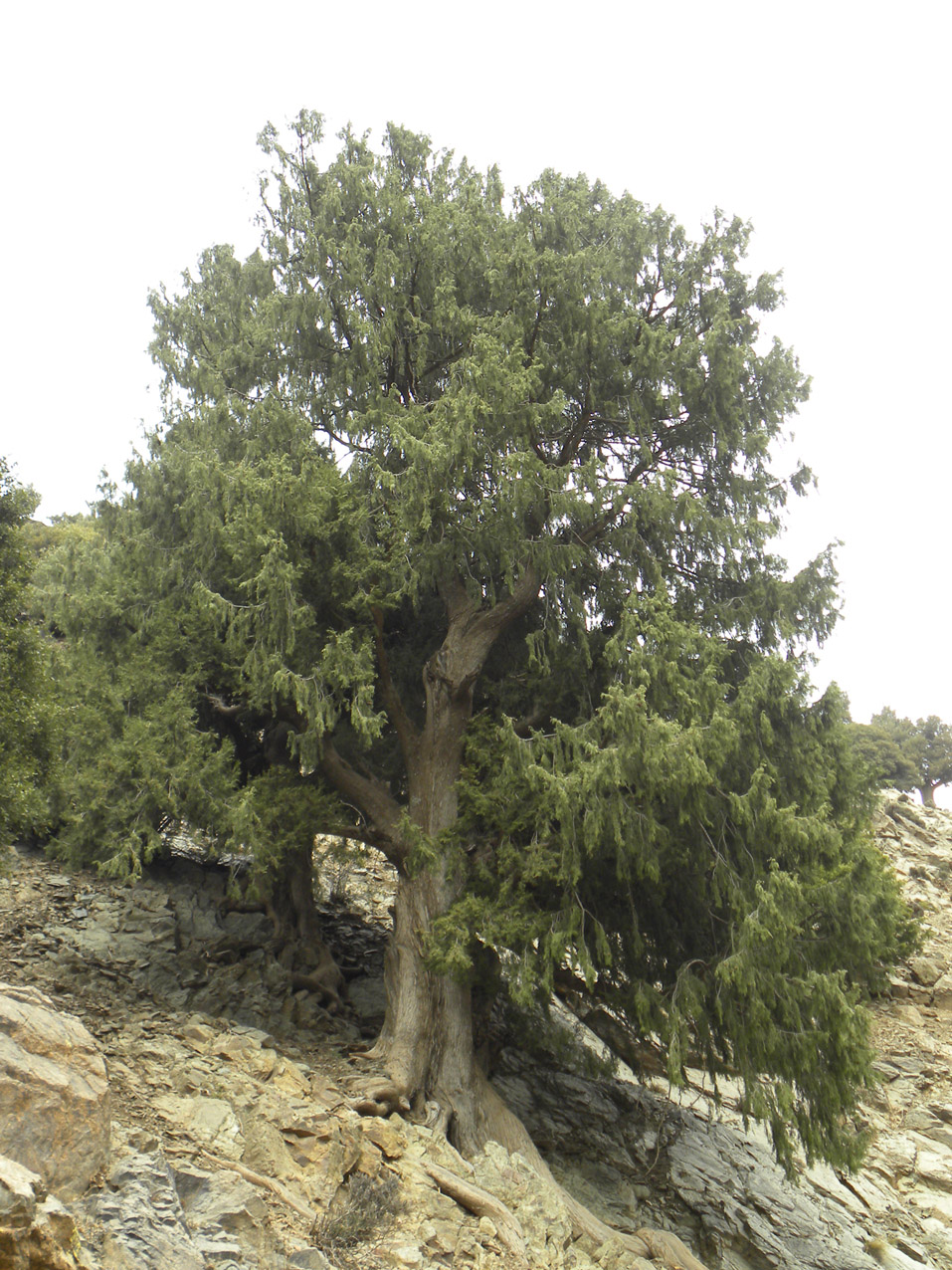
Saharan cypress
(Cupressus dupreziana)
Also Known As
Saharan cypress, Niger cypress
About This Plant
Cupressus dupreziana is a coniferous tree species that is native to the central Sahara desert. It is a slow-growing tree that can reach up to 20 meters in height and has a narrow, conical crown. The bark is reddish-brown and scaly, and the leaves are scale-like and arranged in opposite pairs.
Plant Care Instructions
Outdoor Size Range
50-60 feet (15-18 meters) tall, 10-15 feet (3-4.5 meters) wide
Light Requirements
Cupressus dupreziana requires full sun exposure to grow properly.
Humidity Needs
This plant species prefers dry environments and does not require high humidity levels.
Fertilizing Schedule
This plant species does not require regular fertilization. However, applying a slow-release fertilizer once a year can help promote growth.
Pruning Guidelines
Pruning is not necessary for Cupressus dupreziana, but it can be done to maintain a desired shape or size.
Common Pests and Diseases
Common pests and diseases for this plant species include cypress canker, spider mites, and scale insects.
Indoor Size Range
Not suitable for indoor cultivation
Watering Schedule
This plant is drought-tolerant and does not require frequent watering. It is important to avoid overwatering, as this can lead to root rot.
Temperature Range
Cupressus dupreziana is adapted to hot and dry climates and can tolerate high temperatures. It is also able to withstand cold temperatures, with a hardiness range of USDA zones 9 to 11.
Growing Season
Cupressus dupreziana can be planted year-round in its native range, but it is best to plant in the fall or winter in other regions.
Growing Difficulty Level
Cupressus dupreziana is a slow-growing tree that is adapted to harsh desert conditions, making it a relatively easy plant to grow in the right climate.
USDA Hardiness Zones
USDA hardiness zones 9 to 11
Did You Know?
Cupressus dupreziana is one of the rarest trees in the world, with only about 250 individuals remaining in the wild. It is classified as critically endangered by the IUCN Red List.