Special Web Offer - Get 50% OFF!
Grab Your Deal Now
PlantSnap
Plant Care
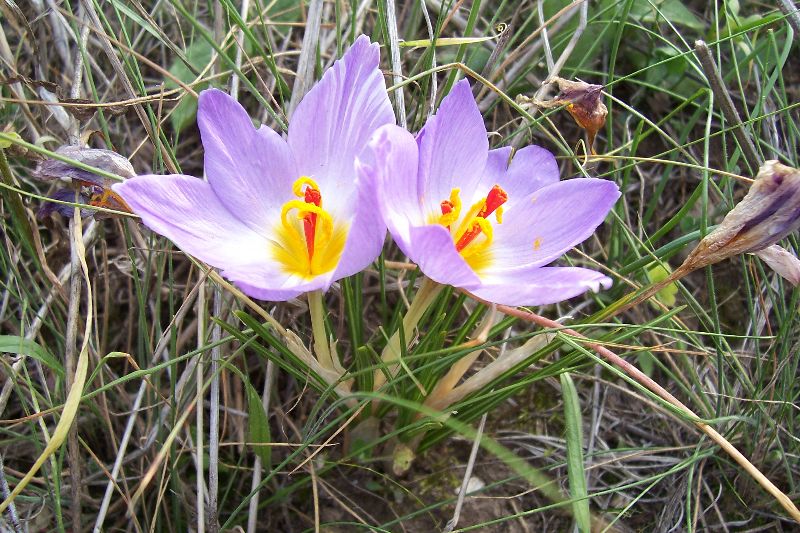
Thomas' crocus
(Crocus thomasii)
Also Known As
Thomas' crocus, Thomas's crocus, Crocus of thomas
About This Plant
Crocus thomasii is a species of flowering plant in the iris family. It is a small, herbaceous perennial plant growing from a corm, with narrow leaves and white or pale lilac flowers with deep violet veins. It is native to Turkey, where it grows in rocky habitats at high elevations.
Plant Care Instructions
Outdoor Size Range
2-4 inches (5-10 cm)
Light Requirements
Crocus thomasii prefers full sun to partial shade. It is important to ensure that the plant receives enough light to grow and flower, especially during the winter months.
Humidity Needs
Crocus thomasii prefers moderate humidity levels, around 50-60%.
Fertilizing Schedule
Crocus thomasii does not require fertilizer, but a light application of a balanced fertilizer in the spring may help promote growth and flowering.
Pruning Guidelines
Crocus thomasii does not require pruning, but deadheading spent flowers can help promote continued flowering.
Common Pests and Diseases
Crocus thomasii is generally not susceptible to pests or diseases, but may occasionally be affected by aphids or spider mites.
Indoor Size Range
2-4 inches (5-10 cm)
Watering Schedule
Crocus thomasii prefers well-draining soil that is kept evenly moist during the growing season. During the summer months, the plant may go dormant and require less water.
Temperature Range
Crocus thomasii prefers cool temperatures, around 50-60°F (10-15°C). It can tolerate frost but may require protection during severe cold snaps.
Growing Season
Crocus thomasii typically blooms in late winter or early spring.
Growing Difficulty Level
Crocus thomasii is relatively easy to grow, but may require some attention to soil moisture and temperature requirements.
USDA Hardiness Zones
Crocus thomasii is hardy in USDA zones 5-9.
Did You Know?
Crocus thomasii is named after the British botanist and explorer E. A. Bowles, who discovered the plant in Turkey in the early 20th century.
