Special Web Offer - Get 50% OFF!
Grab Your Deal Now
PlantSnap
Plant Care
Common hawthorn
(Crataegus monogyna)
Also Known As
Common hawthorn, Single-seeded hawthorn, Hedge thorn, Maytree
About This Plant
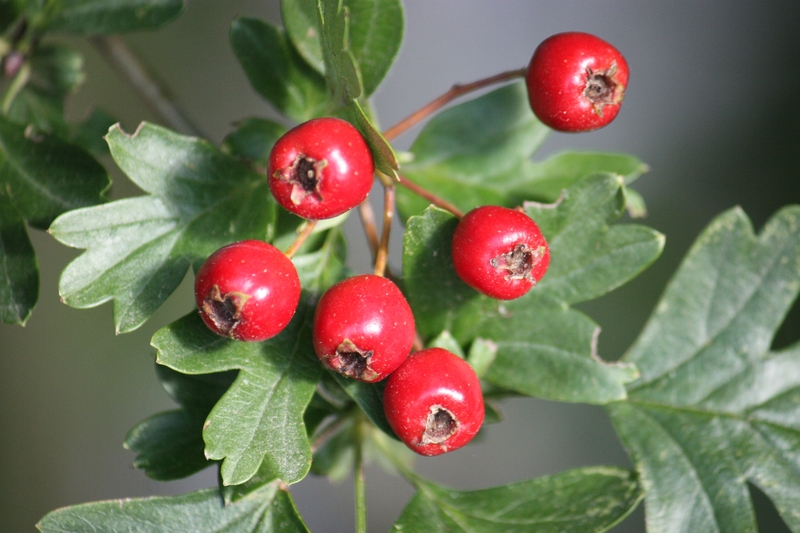
Crataegus monogyna is a deciduous shrub or small tree that grows up to 10 meters tall. It has glossy green leaves and produces fragrant white or pink flowers in the spring. The plant produces small, red berries that are edible and commonly used in jams and jellies.
Plant Care Instructions
Outdoor Size Range
Height: 16-33 feet (5-10 meters), Spread: 16-33 feet (5-10 meters)
Light Requirements
Hawthorn prefers full sun to partial shade. It can tolerate some shade, but flowering and fruiting will be reduced.
Humidity Needs
Hawthorn does not have any specific humidity requirements.
Fertilizing Schedule
Hawthorn does not require much fertilizer. A balanced fertilizer applied in the spring can help promote growth and flowering.
Pruning Guidelines
Hawthorn benefits from regular pruning to maintain its shape and promote healthy growth. Prune in late winter or early spring before new growth appears.
Common Pests and Diseases
Hawthorn is susceptible to a number of pests and diseases, including aphids, spider mites, and fire blight.
Indoor Size Range
Not suitable for indoor growth
Watering Schedule
Hawthorn requires moderate watering. It prefers well-drained soil and does not tolerate waterlogged conditions. Water deeply once a week during dry periods.
Temperature Range
Hawthorn is hardy to USDA zones 4-8 and can tolerate a wide range of temperatures. It prefers cool to mild climates and does not do well in hot, dry conditions.
Growing Season
Hawthorn typically blooms in the spring and produces fruit in the fall.
Growing Difficulty Level
Hawthorn is relatively easy to grow and maintain, but it can be slow-growing and may require patience.
USDA Hardiness Zones
USDA hardiness zones 4-8
Did You Know?
Hawthorn has been used for medicinal purposes for centuries. It is believed to have cardiovascular benefits and has been used to treat heart disease and high blood pressure.
