Special Web Offer - Get 50% OFF!
Grab Your Deal Now
PlantSnap
Plant Care
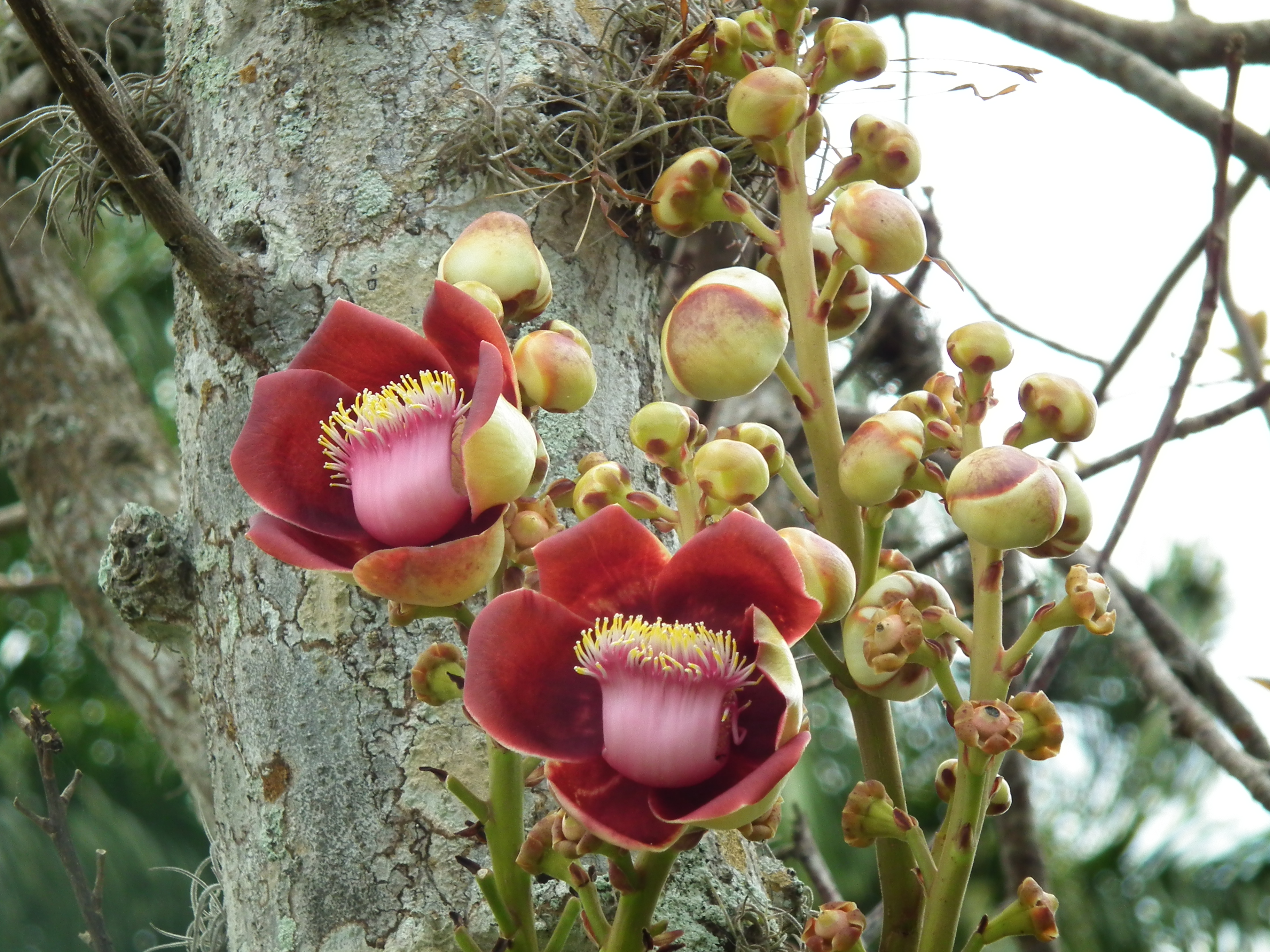
Cannonball tree
(Couroupita guianensis)
Also Known As
Cannonball tree, Couroupita, Boulet de canon, Kanonboom
About This Plant
Couroupita guianensis, commonly known as cannonball tree, is a tropical tree species native to South and Central America. It is known for its large, spherical fruit that resembles a cannonball and its fragrant flowers.
Plant Care Instructions
Outdoor Size Range
30-80 feet (9-24 meters)
Light Requirements
The cannonball tree requires full sun to partial shade. It is best to place it in a spot with bright, indirect light.
Humidity Needs
The cannonball tree prefers high humidity levels. You can increase humidity by misting the leaves or placing a humidifier nearby.
Fertilizing Schedule
Fertilize the tree every 2-3 months during the growing season with a balanced fertilizer. Do not fertilize during the dormant season.
Pruning Guidelines
Prune the tree in the late winter or early spring before new growth appears. Remove any dead or damaged branches and shape the tree as desired.
Common Pests and Diseases
Common pests include mealybugs, spider mites, and scale insects. Diseases such as leaf spot and root rot can also occur.
Indoor Size Range
Not suitable for indoor growth
Watering Schedule
The tree needs to be watered regularly, especially during the growing season. Keep the soil moist but not waterlogged.
Temperature Range
The tree prefers warm temperatures between 60-80°F (15-27°C). It cannot tolerate frost or freezing temperatures.
Growing Season
The growing season for the cannonball tree is from spring to fall.
Growing Difficulty Level
The cannonball tree is considered moderately difficult to grow. It requires specific growing conditions and can be susceptible to pests and diseases.
USDA Hardiness Zones
The cannonball tree is hardy in USDA zones 10-12.
Did You Know?
The cannonball tree is also known as the 'hand cannon tree' because indigenous tribes used the large, heavy fruit as a weapon by filling it with stones or lead and throwing it at their enemies.