Special Web Offer - Get 50% OFF!
Grab Your Deal Now
PlantSnap
Plant Care
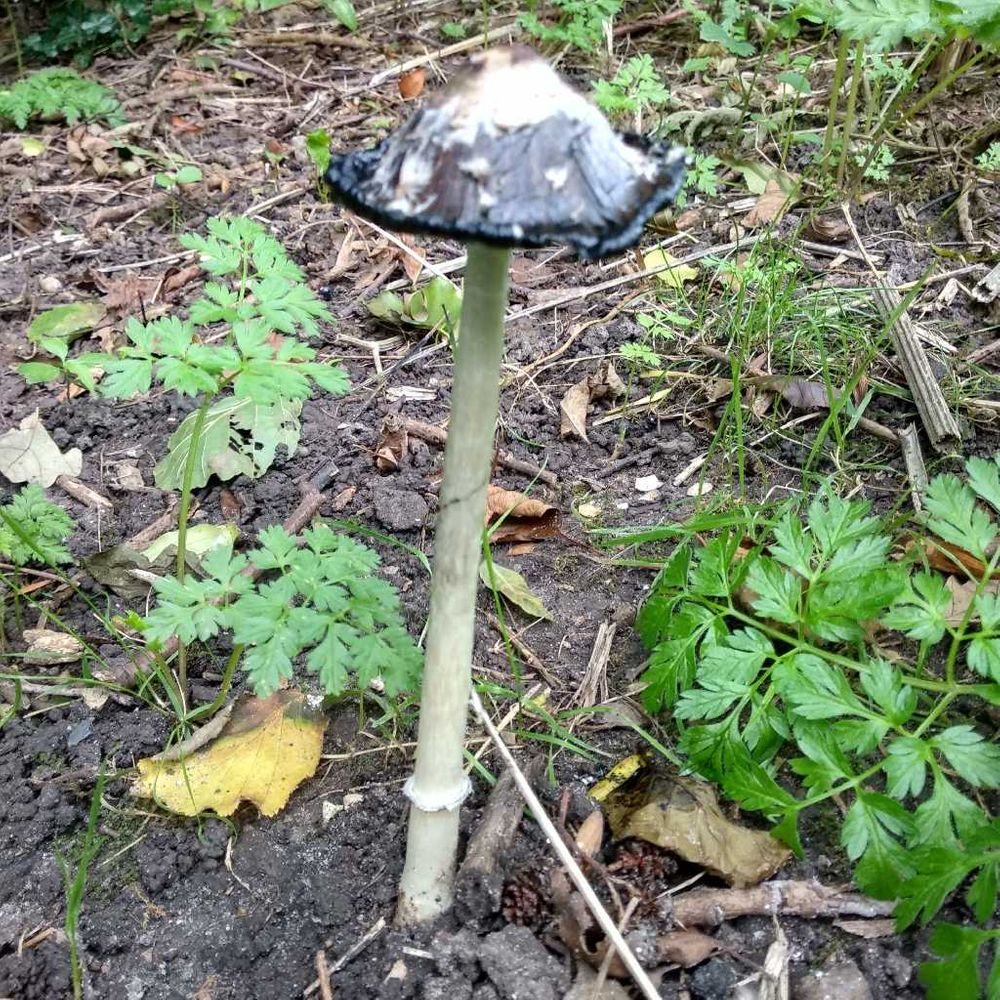
Magpie inkcap
(Coprinopsis picacea)
Also Known As
Magpie inkcap, Black toadstool, Pied mushroom, Spectacular inky cap
About This Plant
Coprinopsis picacea is a species of fungus in the family Psathyrellaceae. It is commonly known as the magpie fungus, gray spotted agaric or glistening inky cap. The fruiting body of the fungus is edible when young but becomes poisonous as it matures. It is a saprotrophic fungus that decomposes dead wood.
Plant Care Instructions
Outdoor Size Range
Height: 3-6 inches (7.6-15.2 cm), Cap diameter: 1-2 inches (2.5-5.1 cm)
Light Requirements
Coprinopsis picacea prefers partial to full shade. Direct sunlight can cause the fruiting body to dry out and wilt.
Humidity Needs
Coprinopsis picacea thrives in high humidity levels. The ideal humidity range is between 60-80%. Humidity can be increased by misting the surrounding area or placing a humidifier nearby.
Fertilizing Schedule
The fungus does not require fertilizers as it gets its nutrients from decomposing wood. However, adding organic matter to the soil can improve its quality and promote growth.
Pruning Guidelines
Pruning is not necessary for Coprinopsis picacea as it is a decomposer fungus. However, dead wood can be removed to prevent the spread of diseases.
Common Pests and Diseases
Coprinopsis picacea is not usually affected by pests or diseases. However, it can be infected by parasitic fungi like Hypomyces chrysospermus.
Indoor Size Range
Not applicable for indoor cultivation
Watering Schedule
The fungus requires moist soil or wood to grow. Watering should be done regularly to maintain the moisture level. However, overwatering should be avoided as it can lead to waterlogging and root rot.
Temperature Range
The ideal temperature range for Coprinopsis picacea is between 60-70°F (15.5-21.1°C). It can tolerate temperatures as low as 50°F (10°C) and as high as 80°F (26.7°C).
Growing Season
The fruiting body of Coprinopsis picacea can be found from late spring to early autumn.
Growing Difficulty Level
Coprinopsis picacea is easy to grow as it requires minimal care and attention.
USDA Hardiness Zones
Coprinopsis picacea is not applicable for USDA hardiness zones as it is a fungus.
Did You Know?
Coprinopsis picacea is known for its unique ability to dissolve asphalt. It has been found growing on asphalt pavements and has been used to clean up oil spills and other environmental pollutants.
