Special Web Offer - Get 50% OFF!
Grab Your Deal Now
PlantSnap
Plant Care
Lily of the valley
(Convallaria majalis)
Also Known As
Lily of the valley, May lily, Mary's tears, Our lady's tears
About This Plant
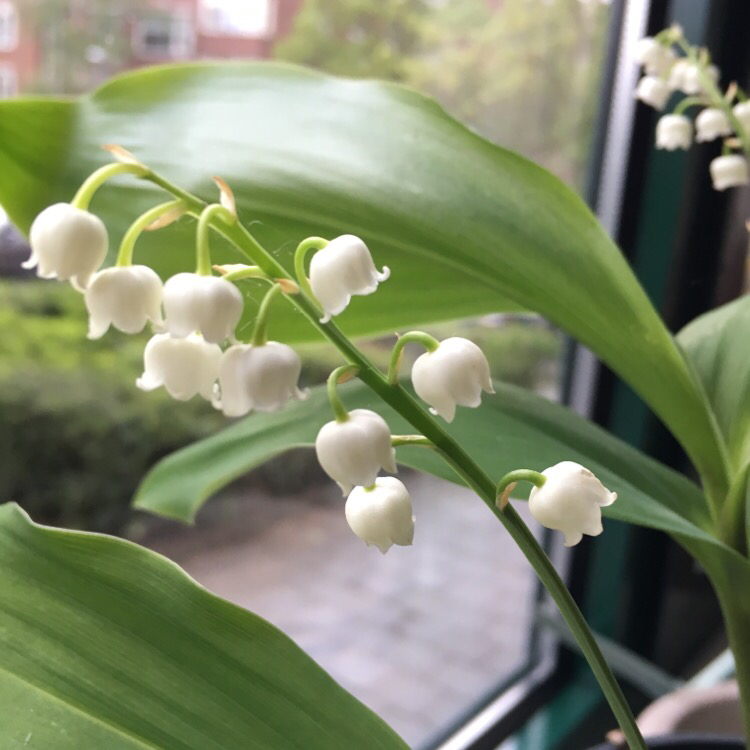
Convallaria majalis is a perennial, herbaceous plant species that belongs to the Asparagaceae family. It is also known as Lily of the Valley and May Bells. The plant has rhizomes from which it produces arching stems with lanceolate leaves and small, bell-shaped, white flowers that bloom in the spring.
Plant Care Instructions
Outdoor Size Range
6-12 inches (15-30 cm)
Light Requirements
Lily of the Valley prefers partial shade to full shade. It can tolerate some morning sun, but direct afternoon sun can scorch the leaves.
Humidity Needs
Lily of the Valley prefers high humidity and benefits from misting or placing a tray of water nearby.
Fertilizing Schedule
The plant does not require much fertilization. A balanced, slow-release fertilizer can be applied in the spring.
Pruning Guidelines
After the plant has finished flowering, the spent flowers and yellowing leaves can be removed. In the fall, the plant can be cut back to the ground.
Common Pests and Diseases
Lily of the Valley is relatively pest-free but can be susceptible to slugs and snails.
Indoor Size Range
6-10 inches (15-25 cm)
Watering Schedule
The plant requires regular watering, especially during the growing season. The soil should be kept moist but not waterlogged. In winter, the plant can be allowed to dry out between waterings.
Temperature Range
The plant prefers cool temperatures between 60-65°F (15-18°C). It can tolerate slightly higher temperatures but may not flower as well.
Growing Season
Lily of the Valley blooms in the spring and early summer.
Growing Difficulty Level
Lily of the Valley is moderately easy to grow as long as its requirements for shade, moisture, and cool temperatures are met.
USDA Hardiness Zones
Lily of the Valley is hardy in USDA zones 2-7.
Did You Know?
Lily of the Valley is a popular flower in European folklore and is associated with the return of happiness. In France, it is customary to give a bouquet of Lily of the Valley on May 1st as a symbol of good luck and happiness.
