Special Web Offer - Get 50% OFF!
Grab Your Deal Now
PlantSnap
Plant Care
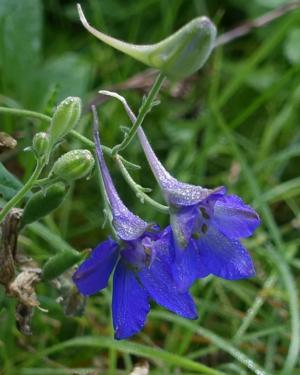
Forking larkspur
(Consolida regalis)
Also Known As
Forking larkspur, Rocket larkspur, Field larkspur, Royal larkspur
About This Plant
Consolida regalis, commonly known as larkspur, is a species of flowering plant in the buttercup family. It is native to Europe and western Asia, and has been introduced to North America. It is an annual or biennial herb with a tall, slender stem and deeply lobed leaves. The flowers are arranged in a long, narrow spike and come in shades of blue, pink, purple, and white.
Plant Care Instructions
Outdoor Size Range
Height: 2-4 feet (60-120 cm), Spread: 1-2 feet (30-60 cm)
Light Requirements
Larkspur requires full sun to partial shade. In hot climates, it prefers partial shade.
Humidity Needs
Larkspur does not have any specific humidity requirements.
Fertilizing Schedule
Larkspur does not require fertilizer, but can benefit from a balanced fertilizer once a month during the growing season.
Pruning Guidelines
Larkspur does not require pruning, but deadheading spent blooms can encourage more flowers.
Common Pests and Diseases
Common pests and diseases for larkspur include aphids, spider mites, and powdery mildew.
Indoor Size Range
Not suitable for indoor cultivation
Watering Schedule
Larkspur prefers well-drained soil and moderate watering. It is drought tolerant once established.
Temperature Range
Larkspur can tolerate a wide range of temperatures, from below freezing to hot summers.
Growing Season
Larkspur is typically grown as an annual and can be planted in the spring or fall.
Growing Difficulty Level
Larkspur is relatively easy to grow, but can be challenging to start from seed.
USDA Hardiness Zones
Larkspur is hardy in USDA zones 3-7.
Did You Know?
Larkspur gets its name from the shape of its flower, which resembles the spur on the leg of a lark.
