Special Web Offer - Get 50% OFF!
Grab Your Deal Now
PlantSnap
Plant Care
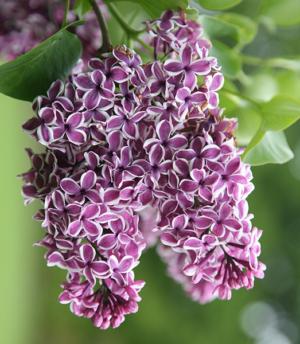
Syringa vulgaris
(Common lilac)
Also Known As
Syringa vulgaris, Lilac, Purple lilac, French lilac
About This Plant
The Common Lilac is a deciduous shrub that is known for its beautiful, fragrant flowers. It is native to southeastern Europe and is widely cultivated as an ornamental plant in gardens and parks throughout the world.
Plant Care Instructions
Outdoor Size Range
6-20 feet (1.8-6.1 meters)
Light Requirements
Prefers full sun to partial shade. At least 6 hours of direct sunlight is necessary for optimal growth and flowering.
Humidity Needs
Does not have any specific humidity requirements. Can tolerate both dry and humid conditions.
Fertilizing Schedule
Requires regular fertilization with a balanced fertilizer during the growing season. Avoid fertilizing in late summer or fall as it can interfere with the plant's ability to harden off for winter.
Pruning Guidelines
Prune immediately after flowering to shape the plant and remove dead or damaged wood. Avoid pruning in fall as it can remove the buds that will produce flowers the following spring.
Common Pests and Diseases
Common pests include aphids, spider mites, and lilac borers. Diseases include powdery mildew and bacterial blight.
Indoor Size Range
Not suitable for indoor growing
Watering Schedule
Regular watering is necessary, especially during the first growing season. Once established, it can tolerate some drought. Avoid overwatering as it can lead to root rot.
Temperature Range
Thrives in moderate temperatures ranging from 60-75°F (15.5-24°C). Can tolerate cold temperatures as low as -30°F (-34°C) in USDA hardiness zones 2-8.
Growing Season
Late spring to early summer
Growing Difficulty Level
Considered easy to grow and low maintenance.
USDA Hardiness Zones
2-8
Did You Know?
The Common Lilac is the state flower of New Hampshire and represents the 'hardy character' of its people.
