Special Web Offer - Get 50% OFF!
Grab Your Deal Now
PlantSnap
Plant Care
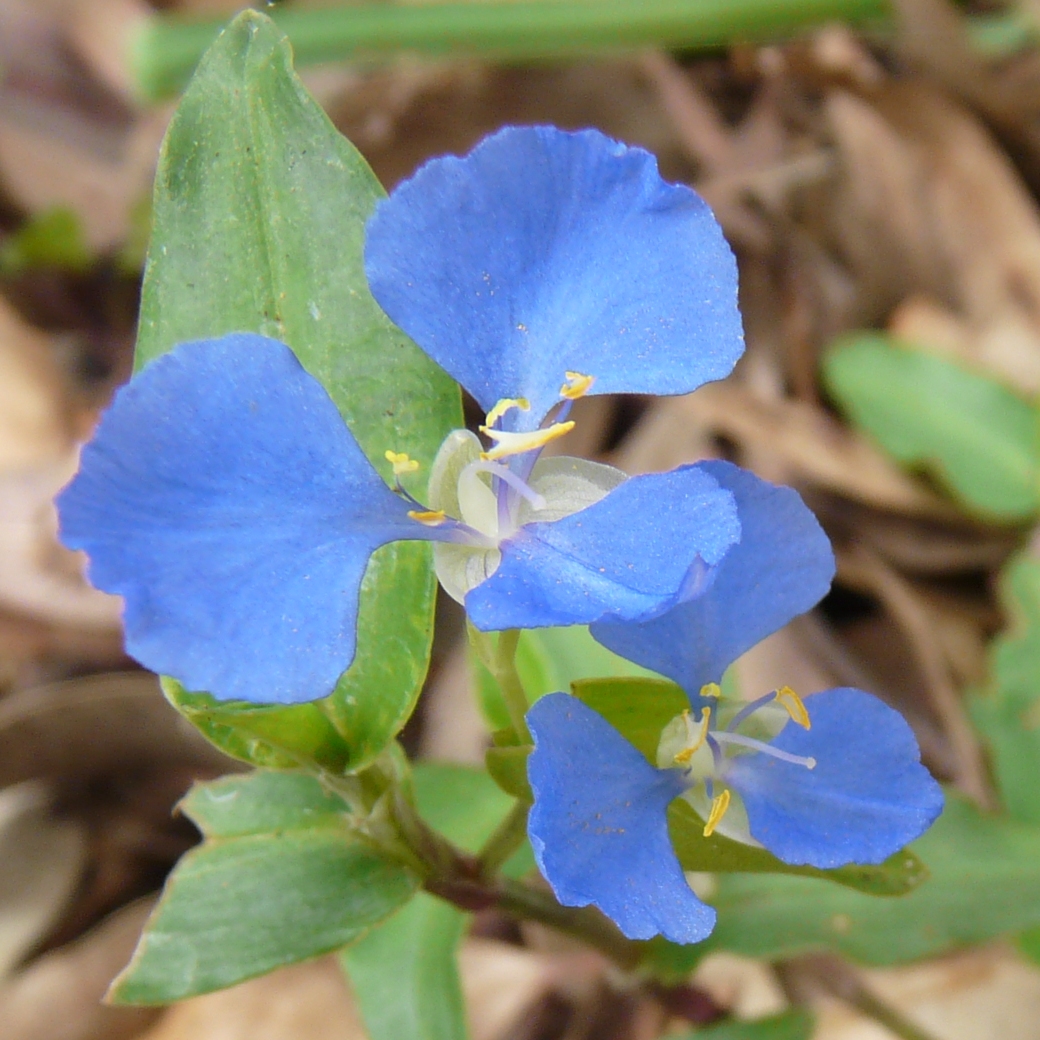
Scurvy weed
(Commelina cyanea)
Also Known As
Scurvy weed, Asiatic dayflower, Blue twining dayflower, Creeping dayflower
About This Plant
Commelina cyanea is a perennial herbaceous plant that belongs to the family Commelinaceae. It is known for its striking blue flowers with yellow stamens. The plant has a rhizomatous root system and produces erect stems that can reach up to 60 cm in height.
Plant Care Instructions
Outdoor Size Range
24-36 inches (60-90 cm)
Light Requirements
Commelina cyanea prefers partial shade to full sun. It can tolerate direct sunlight, but the leaves may scorch if exposed to too much light.
Humidity Needs
Commelina cyanea prefers moderate humidity levels, but it can tolerate lower humidity levels as well.
Fertilizing Schedule
Commelina cyanea benefits from regular fertilization with a balanced fertilizer during the growing season. It is recommended to fertilize the plant every 2-3 weeks.
Pruning Guidelines
The plant does not require pruning, but deadheading spent flowers can promote continuous blooming.
Common Pests and Diseases
Common pests for Commelina cyanea include spider mites and aphids. It can also be susceptible to fungal diseases if the soil is too wet.
Indoor Size Range
10-12 inches (25-30 cm)
Watering Schedule
The plant requires regular watering to keep the soil moist but not waterlogged. It is important to avoid letting the soil dry out completely between watering.
Temperature Range
The plant prefers warm temperatures between 70-85°F (21-29°C). It can tolerate lower temperatures but should be protected from frost.
Growing Season
The plant blooms from summer to fall.
Growing Difficulty Level
Commelina cyanea is relatively easy to grow and maintain, making it a good choice for beginner gardeners.
USDA Hardiness Zones
Commelina cyanea is hardy in USDA zones 8-11.
Did You Know?
The blue color of Commelina cyanea's flowers is due to a pigment called delphinidin, which is also found in blueberries and grapes.
