Special Web Offer - Get 50% OFF!
Grab Your Deal Now
PlantSnap
Plant Care
Coleus
(coleus solenostemon)
Also Known As
Coleus, Painted nettle, Flame nettle, Tropical salvia
About This Plant
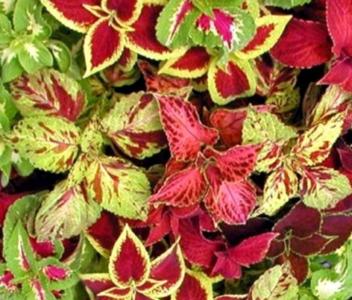
The Coleus Solenostemon is a tropical perennial plant species that is known for its colorful and attractive foliage. It has a bushy growth habit and can grow up to 3 feet (91 cm) tall and 2 feet (61 cm) wide. The leaves of the Coleus Solenostemon are large, brightly colored, and come in a variety of patterns and shapes.
Plant Care Instructions
Outdoor Size Range
1-3 feet (30-91 cm)
Light Requirements
Coleus Solenostemon requires bright, indirect light to maintain its vibrant colors. Direct sunlight can scorch the leaves, while too little light can cause the plant to lose its color.
Humidity Needs
This plant species prefers high humidity levels. Mist the leaves regularly or place a humidifier nearby to increase humidity.
Fertilizing Schedule
Feed Coleus Solenostemon with a balanced fertilizer every 2-4 weeks during the growing season (spring and summer). Reduce fertilization during the winter months.
Pruning Guidelines
Pinch back the tips of the plant regularly to encourage bushy growth and prevent it from becoming leggy. Remove any yellow or damaged leaves as they appear.
Common Pests and Diseases
Coleus Solenostemon is susceptible to mealybugs, spider mites, and whiteflies. Keep an eye out for these pests and treat them promptly with insecticidal soap or neem oil.
Indoor Size Range
1-3 feet (30-91 cm)
Watering Schedule
Coleus Solenostemon prefers consistently moist soil. Water the plant when the top inch (2.5 cm) of soil feels dry to the touch, but avoid overwatering as this can lead to root rot.
Temperature Range
Coleus Solenostemon prefers warm temperatures between 60-75°F (16-24°C). Avoid exposing the plant to temperatures below 50°F (10°C) as this can damage the foliage.
Growing Season
The growing season for Coleus Solenostemon is spring and summer.
Growing Difficulty Level
Coleus Solenostemon is an easy plant to grow and care for, making it a great choice for beginners.
USDA Hardiness Zones
Coleus Solenostemon is not frost-tolerant and is typically grown as an annual in USDA hardiness zones 10-11. In zones 8-9, it can be grown as a perennial if protected from frost.
Did You Know?
The bright colors of Coleus Solenostemon's leaves are actually caused by pigments called anthocyanins, which are produced in response to light intensity and temperature changes.
