Special Web Offer - Get 50% OFF!
Grab Your Deal Now
PlantSnap
Plant Care
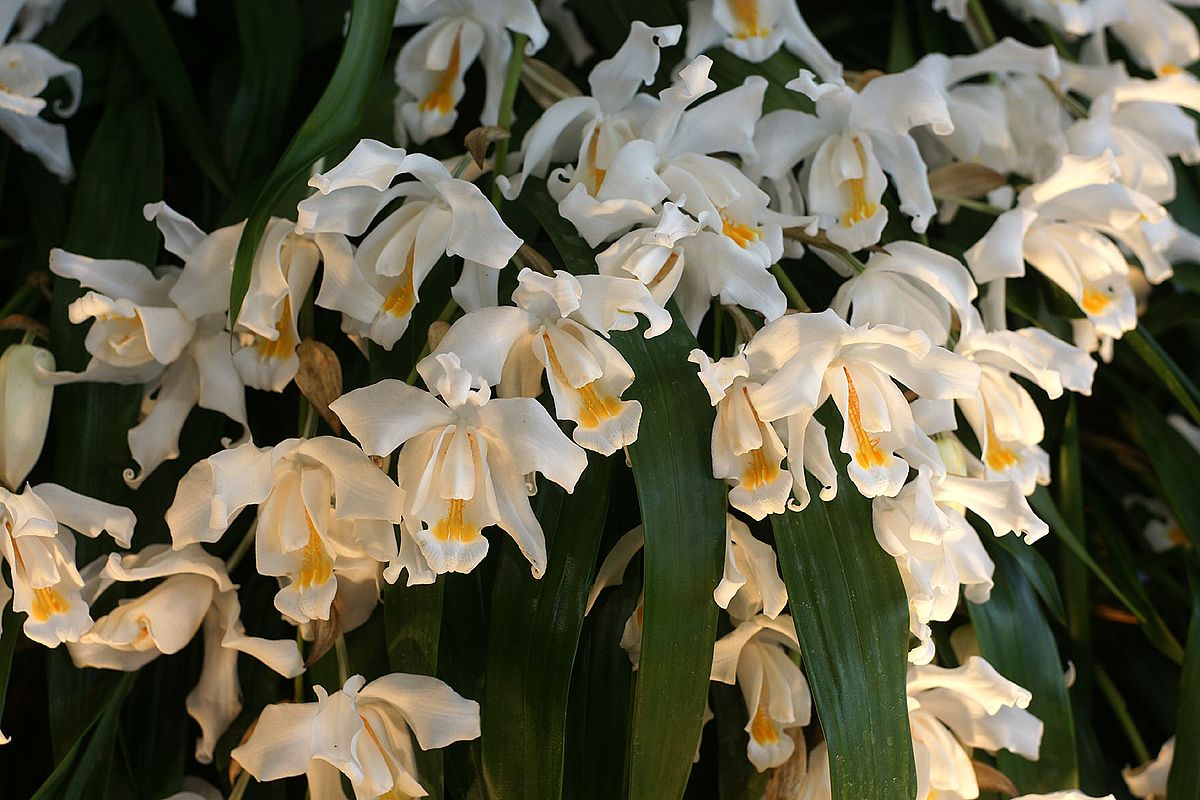
Crested coelogyne
(Coelogyne cristata)
Also Known As
Crested coelogyne, Cremson coelogyne, White orchid
About This Plant
Coelogyne cristata is a species of orchid native to the Himalayas, India, Nepal, Bhutan, Myanmar, Thailand, Laos, Vietnam, and southern China. It is commonly known as the Crested Coelogyne due to the frilly lip of its flowers.
Plant Care Instructions
Outdoor Size Range
18-24 inches (45-60 cm)
Light Requirements
Coelogyne cristata requires bright, indirect light. Direct sunlight can burn the leaves.
Humidity Needs
Coelogyne cristata requires high humidity levels, around 60-70%. Placing a humidifier or a tray of water near the plant can help maintain the required humidity levels.
Fertilizing Schedule
Coelogyne cristata requires regular fertilization during the growing season with a balanced fertilizer. Reduce fertilization in the winter.
Pruning Guidelines
Pruning is not necessary for Coelogyne cristata, but removing spent flowers and yellowing leaves can help promote new growth.
Common Pests and Diseases
Common pests for Coelogyne cristata include spider mites, mealybugs, and scale insects. It is also susceptible to fungal diseases such as black rot and crown rot.
Indoor Size Range
12-18 inches (30-45 cm)
Watering Schedule
This plant species prefers to be kept moist, but not waterlogged. Watering once a week is usually sufficient.
Temperature Range
This plant species prefers temperatures between 60-75°F (15-24°C). It can tolerate slightly cooler temperatures in the winter.
Growing Season
Coelogyne cristata grows actively during the spring and summer months.
Growing Difficulty Level
Coelogyne cristata can be difficult to grow due to its specific humidity, light, and temperature requirements.
USDA Hardiness Zones
Coelogyne cristata is not suitable for outdoor cultivation in the United States, but it can be grown indoors in any USDA hardiness zone.
Did You Know?
Coelogyne cristata is the national flower of Bhutan, where it is known as the 'Dendrobium nobile'.
