Special Web Offer - Get 50% OFF!
Grab Your Deal Now
PlantSnap
Plant Care
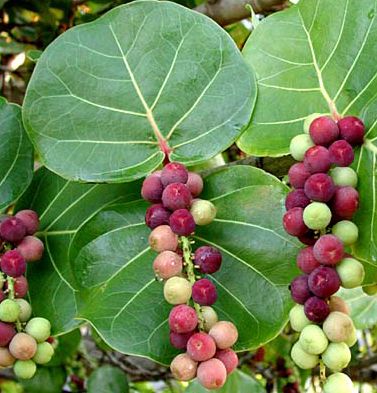
Sea grape
(Coccoloba uvifera)
Also Known As
Sea grape, Seagrape, Uva de playa, Grapewood
About This Plant
Coccoloba uvifera, commonly known as Sea grape, is a species of flowering plant in the buckwheat family, Polygonaceae, that is native to coastal beaches throughout tropical America and the Caribbean, including southern Florida, the Bahamas, the Greater and Lesser Antilles, and Bermuda.
Plant Care Instructions
Outdoor Size Range
10-40 feet (3-12 meters)
Light Requirements
Sea grape plants require full sun to partial shade (at least 4 hours of direct sunlight per day).
Humidity Needs
Sea grape plants prefer moderate humidity levels, but can tolerate dry air.
Fertilizing Schedule
Sea grape plants do not require regular fertilization, but can benefit from a balanced fertilizer once or twice a year.
Pruning Guidelines
Sea grape plants require minimal pruning, but can be shaped as desired. Prune in early spring before new growth appears.
Common Pests and Diseases
Common pests for sea grape plants include scale insects, spider mites, and mealybugs. Diseases are rare in healthy plants.
Indoor Size Range
N/A
Watering Schedule
Sea grape plants are drought-tolerant and require moderate watering. They prefer well-draining soil and should not be overwatered.
Temperature Range
Sea grape plants prefer warm temperatures between 68-86°F (20-30°C), but can tolerate temperatures as low as 50°F (10°C).
Growing Season
Sea grape plants can be grown year-round in tropical climates. In cooler climates, they can be grown as annuals or in containers.
Growing Difficulty Level
Sea grape plants are easy to grow and maintain, making them a great choice for coastal gardens.
USDA Hardiness Zones
Sea grape plants are hardy in USDA zones 10-11.
Did You Know?
The fruit of the sea grape plant is edible and can be used to make jelly, juice, and wine.
