Special Web Offer - Get 50% OFF!
Grab Your Deal Now
PlantSnap
Plant Care
Stinging spurge
(Cnidoscolus urens stimulosus)
Also Known As
Stinging spurge, Stinging nettle, Cowhage, Urera
About This Plant
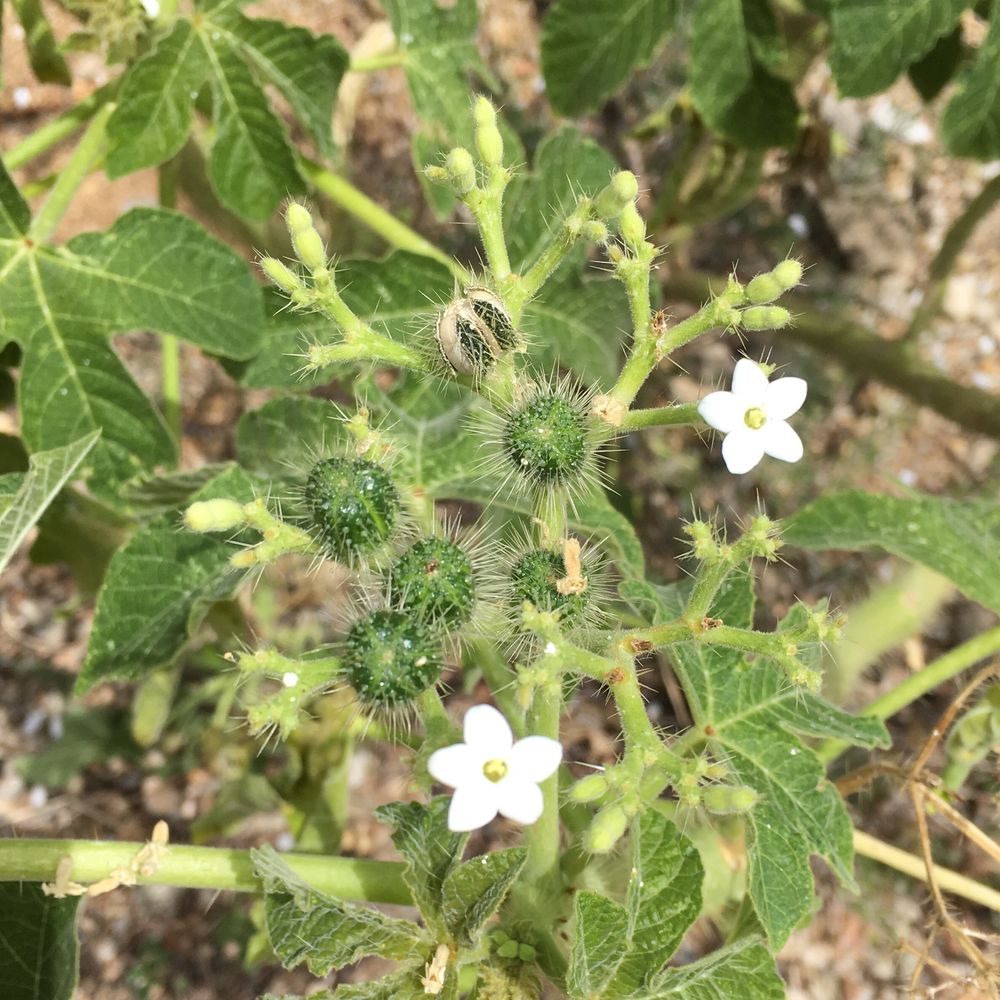
Cnidoscolus urens stimulosus is a species of flowering plant in the family Euphorbiaceae, native to the Americas. It is a shrub or small tree that grows up to 5 meters tall. The plant has green leaves which are palmately lobed with 3-5 lobes. The flowers are small and yellowish-green in color.
Plant Care Instructions
Outdoor Size Range
Up to 5 meters (16.4 feet)
Light Requirements
Stinging nettle prefers partial shade to full sun. It can tolerate shade but does best in a location that receives at least 6 hours of direct sunlight per day.
Humidity Needs
Stinging nettle prefers moderate to high humidity levels. Mist the leaves regularly to increase humidity around the plant.
Fertilizing Schedule
Fertilize stinging nettle once a month during the growing season with a balanced fertilizer. Do not fertilize during the winter months.
Pruning Guidelines
Prune stinging nettle in the spring to remove any dead or damaged branches. Pinch back the tips of the branches to encourage bushier growth.
Common Pests and Diseases
Stinging nettle is relatively pest-free but can occasionally be attacked by aphids, spider mites, and whiteflies. Treat infestations with insecticidal soap or neem oil.
Indoor Size Range
Not suitable for indoor growing
Watering Schedule
Stinging nettle prefers consistently moist soil. Water the plant regularly, especially during dry periods. Be careful not to overwater as this can lead to root rot.
Temperature Range
Stinging nettle prefers temperatures between 60-75°F (15.5-24°C). It can tolerate temperatures as low as 40°F (4.4°C) and as high as 90°F (32.2°C).
Growing Season
Stinging nettle grows best in the spring and summer months.
Growing Difficulty Level
Stinging nettle is easy to grow and care for, making it a great choice for beginner gardeners.
USDA Hardiness Zones
Stinging nettle is hardy in USDA zones 8-11.
Did You Know?
Stinging nettle gets its name from the tiny stinging hairs on its leaves and stems. When touched, these hairs release a painful toxin that can cause a burning sensation on the skin.
