Special Web Offer - Get 50% OFF!
Grab Your Deal Now
PlantSnap
Plant Care
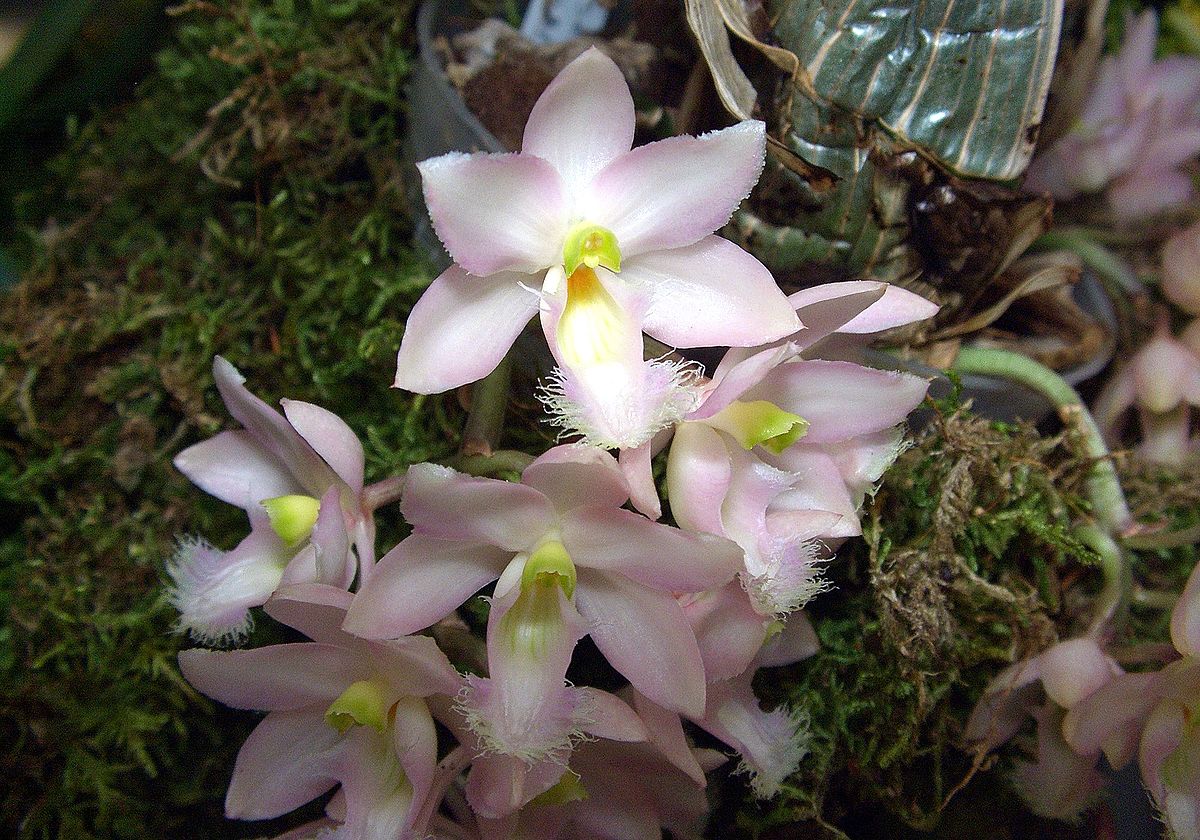
Rose clowesia
(Clowesia rosea)
Also Known As
Rose clowesia, Rosy clowesia, Clowesia, Pink clowesia
About This Plant
Clowesia rosea is a species of orchid that is native to Central and South America. It produces beautiful, fragrant flowers that are pink to purple in color and have a waxy texture. The plant has a pseudobulb that stores water and nutrients, allowing it to survive in dry conditions.
Plant Care Instructions
Outdoor Size Range
N/A
Light Requirements
Clowesia rosea prefers bright, indirect light. It can tolerate some direct sunlight, but too much can damage the leaves.
Humidity Needs
Clowesia rosea prefers high humidity levels, around 60-80%. To increase humidity, the plant can be misted or placed on a tray of pebbles filled with water.
Fertilizing Schedule
During the growing season, Clowesia rosea should be fertilized every two weeks with a balanced fertilizer. During the winter months, fertilizing should be reduced.
Pruning Guidelines
Pruning should be done after flowering to remove any dead or damaged leaves and to encourage new growth.
Common Pests and Diseases
Common pests for Clowesia rosea include spider mites, mealybugs, and scale insects. Diseases such as root rot and fungal infections can also occur if the plant is overwatered.
Indoor Size Range
12-18 inches (30-45 cm)
Watering Schedule
Watering should be done when the top inch of soil is dry. The plant prefers to be kept moist but not waterlogged. During the winter months, watering should be reduced.
Temperature Range
Clowesia rosea prefers warm temperatures between 60-85°F (15-29°C). It can tolerate cooler temperatures but should not be exposed to temperatures below 50°F (10°C).
Growing Season
Clowesia rosea typically blooms in the summer months, from June to August.
Growing Difficulty Level
Clowesia rosea is considered to be moderately difficult to grow. It requires specific conditions such as high humidity and warm temperatures to thrive.
USDA Hardiness Zones
Clowesia rosea is not a cold-hardy plant and cannot survive in USDA hardiness zones below 10b.
Did You Know?
Clowesia rosea is commonly known as the 'Rose Clowesia' due to the color of its flowers, which range from pink to purple.