Special Web Offer - Get 50% OFF!
Grab Your Deal Now
PlantSnap
Plant Care
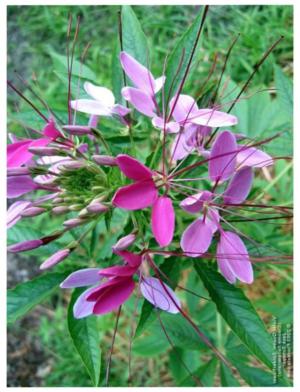
Pink queen
(Cleome rosea)
Also Known As
Pink queen, Pink spider flower, Cleome, Rose spider flower
About This Plant
Cleome rosea is an annual flowering plant species that is native to South America. It can grow up to 3 feet (91 cm) tall and 2 feet (61 cm) wide, with green leaves and pink flowers that bloom in the summer.
Plant Care Instructions
Outdoor Size Range
Up to 3 feet (91 cm) tall and 2 feet (61 cm) wide
Light Requirements
Cleome rosea requires full sun to partial shade. It can tolerate some shade, but it may not flower as well.
Humidity Needs
Cleome rosea can tolerate a wide range of humidity levels, but it prefers moderate to high humidity.
Fertilizing Schedule
Cleome rosea benefits from regular fertilization with a balanced fertilizer. It should be fertilized every 4-6 weeks during the growing season.
Pruning Guidelines
Cleome rosea does not require pruning, but deadheading spent flowers can promote continued blooming.
Common Pests and Diseases
Common pests for Cleome rosea include aphids, spider mites, and whiteflies. It may also be susceptible to powdery mildew.
Indoor Size Range
N/A
Watering Schedule
Cleome rosea prefers moist, well-draining soil. It should be watered regularly, but be careful not to overwater as it can lead to root rot.
Temperature Range
Cleome rosea prefers warm temperatures between 60-85°F (15-29°C). It cannot tolerate frost or freezing temperatures.
Growing Season
Cleome rosea is typically grown as an annual and should be planted in the spring after the last frost. It will bloom throughout the summer and into the fall.
Growing Difficulty Level
Cleome rosea is relatively easy to grow and care for, making it a great choice for beginner gardeners.
USDA Hardiness Zones
Cleome rosea is not frost-tolerant and is typically grown as an annual in USDA hardiness zones 2-11.
Did You Know?
Cleome rosea is also known as the 'spider flower' due to its long, thin flower petals that resemble spider legs.
