Special Web Offer - Get 50% OFF!
Grab Your Deal Now
PlantSnap
Plant Care
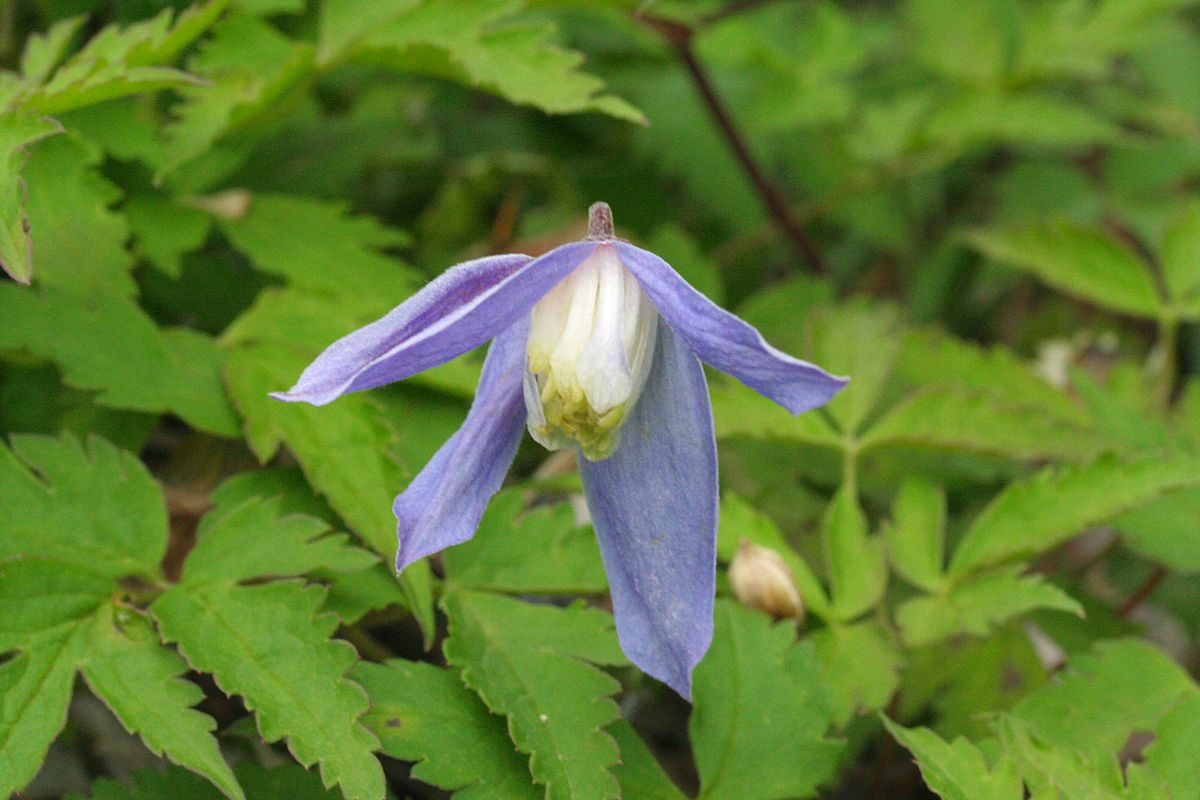
Downy clematis
(Clematis macropetala)
Also Known As
Downy clematis, Mountain clematis, Large petal clematis, Clematis alpine
About This Plant
Clematis macropetala is a deciduous climbing plant that is native to China and Mongolia. The plant produces beautiful bell-shaped flowers that come in shades of blue, purple, and pink. The flowers bloom in the late spring and early summer and are followed by attractive seed heads.
Plant Care Instructions
Outdoor Size Range
6-10 feet (1.8-3 meters)
Light Requirements
Clematis macropetala prefers full sun to partial shade. It needs at least 6 hours of direct sunlight each day to thrive.
Humidity Needs
Clematis macropetala prefers moderate humidity levels. You can increase humidity by misting the leaves with water or placing a humidifier nearby.
Fertilizing Schedule
Feed the plant with a balanced fertilizer once a month during the growing season. Avoid fertilizing in the fall and winter.
Pruning Guidelines
Prune the plant in late winter or early spring before new growth begins. Remove any dead or damaged wood and cut back the remaining stems to 12-18 inches (30-45 cm).
Common Pests and Diseases
Clematis macropetala is susceptible to spider mites, aphids, and powdery mildew. Keep an eye out for these pests and treat them promptly if you notice any signs of infestation.
Indoor Size Range
12-18 inches (30-45 cm)
Watering Schedule
Keep the soil evenly moist but not waterlogged. Water the plant deeply once a week during the growing season and reduce watering in the fall and winter.
Temperature Range
The plant can tolerate a wide range of temperatures, but it prefers cool to moderate temperatures. Ideal temperatures for growing Clematis macropetala are between 60-75°F (15-24°C).
Growing Season
Late spring to early summer
Growing Difficulty Level
Clematis macropetala can be moderately difficult to grow. It requires consistent care and attention to thrive, but it is generally not as finicky as some other clematis species.
USDA Hardiness Zones
3-7
Did You Know?
The genus name Clematis comes from the Greek word 'klema', which means 'a climbing plant'.
