Special Web Offer - Get 50% OFF!
Grab Your Deal Now
PlantSnap
Plant Care
Fern-leaved clematis
(Clematis cirrhosa)
Also Known As
Fern-leaved clematis, Creeping clematis, Honeybelle, Winter-blooming clematis
About This Plant
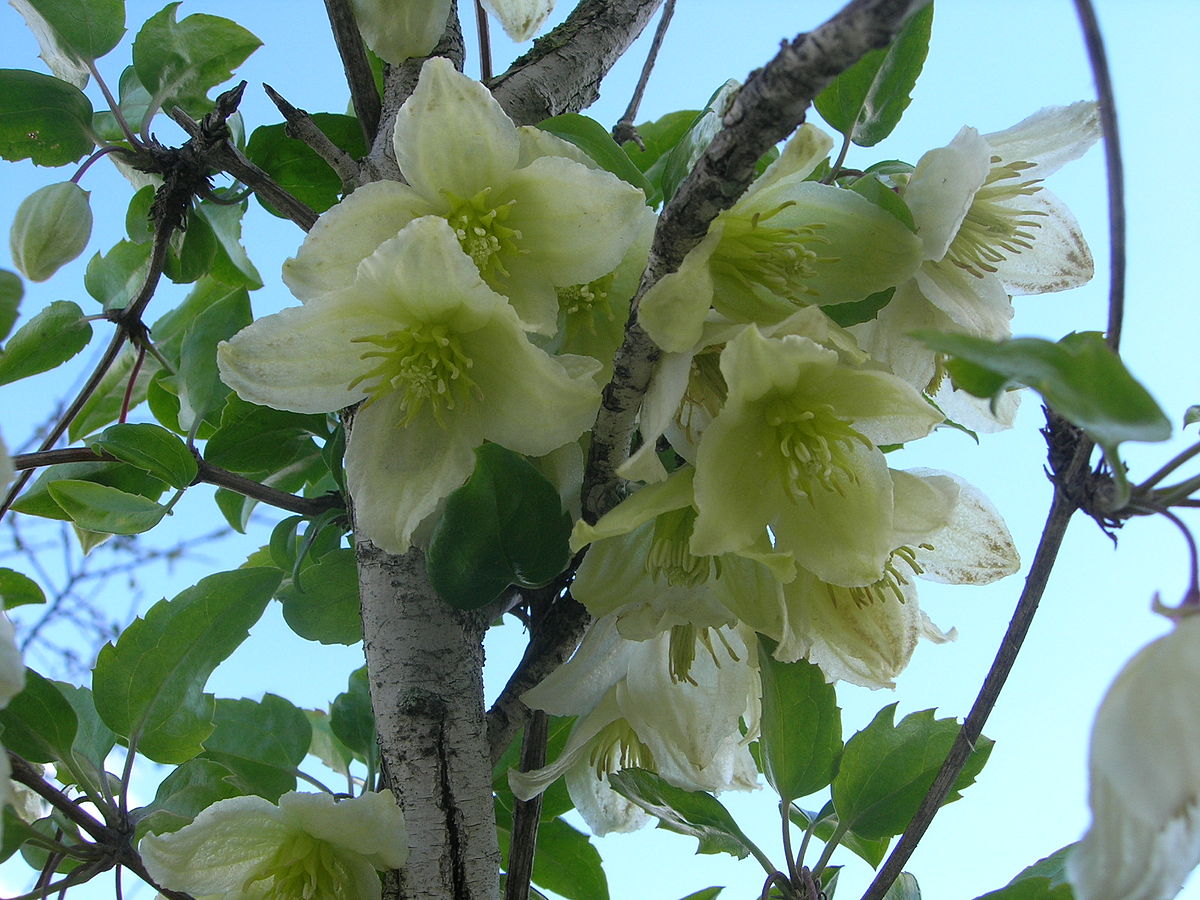
Clematis cirrhosa is a flowering plant species that belongs to the Ranunculaceae family. It is a woody vine that can grow up to 15 feet (4.6m) long. The plant produces bell-shaped flowers that are creamy white or pale green in color and have a pleasant fragrance. The leaves are evergreen and leathery, and the plant blooms from late fall to early spring.
Plant Care Instructions
Outdoor Size Range
Up to 15 feet (4.6m)
Light Requirements
Clematis cirrhosa prefers full sun to partial shade. It needs at least 6 hours of sunlight per day to thrive.
Humidity Needs
Clematis cirrhosa prefers moderate humidity levels. It can tolerate dry air, but misting the leaves occasionally can help prevent spider mites.
Fertilizing Schedule
The plant should be fertilized once a month during the growing season with a balanced fertilizer. It should not be fertilized during the winter months.
Pruning Guidelines
Clematis cirrhosa should be pruned after flowering to remove dead or damaged wood. It can also be pruned in the spring to control its size and shape.
Common Pests and Diseases
The plant is susceptible to spider mites, aphids, and powdery mildew.
Indoor Size Range
6-8 inches (15-20 cm)
Watering Schedule
The plant should be watered regularly, especially during the growing season. It prefers well-drained soil, and the soil should be kept moist but not waterlogged.
Temperature Range
The plant can tolerate a wide range of temperatures, from 20°F (-6°C) to 100°F (38°C). However, it prefers temperatures between 60°F (15°C) and 75°F (24°C).
Growing Season
Late fall to early spring
Growing Difficulty Level
Clematis cirrhosa is moderately difficult to grow. It requires some attention and care, but it is not overly demanding.
USDA Hardiness Zones
7-9
Did You Know?
The flowers of Clematis cirrhosa are used in traditional medicine to treat headaches, arthritis, and skin conditions.
