Special Web Offer - Get 50% OFF!
Grab Your Deal Now
PlantSnap
Plant Care
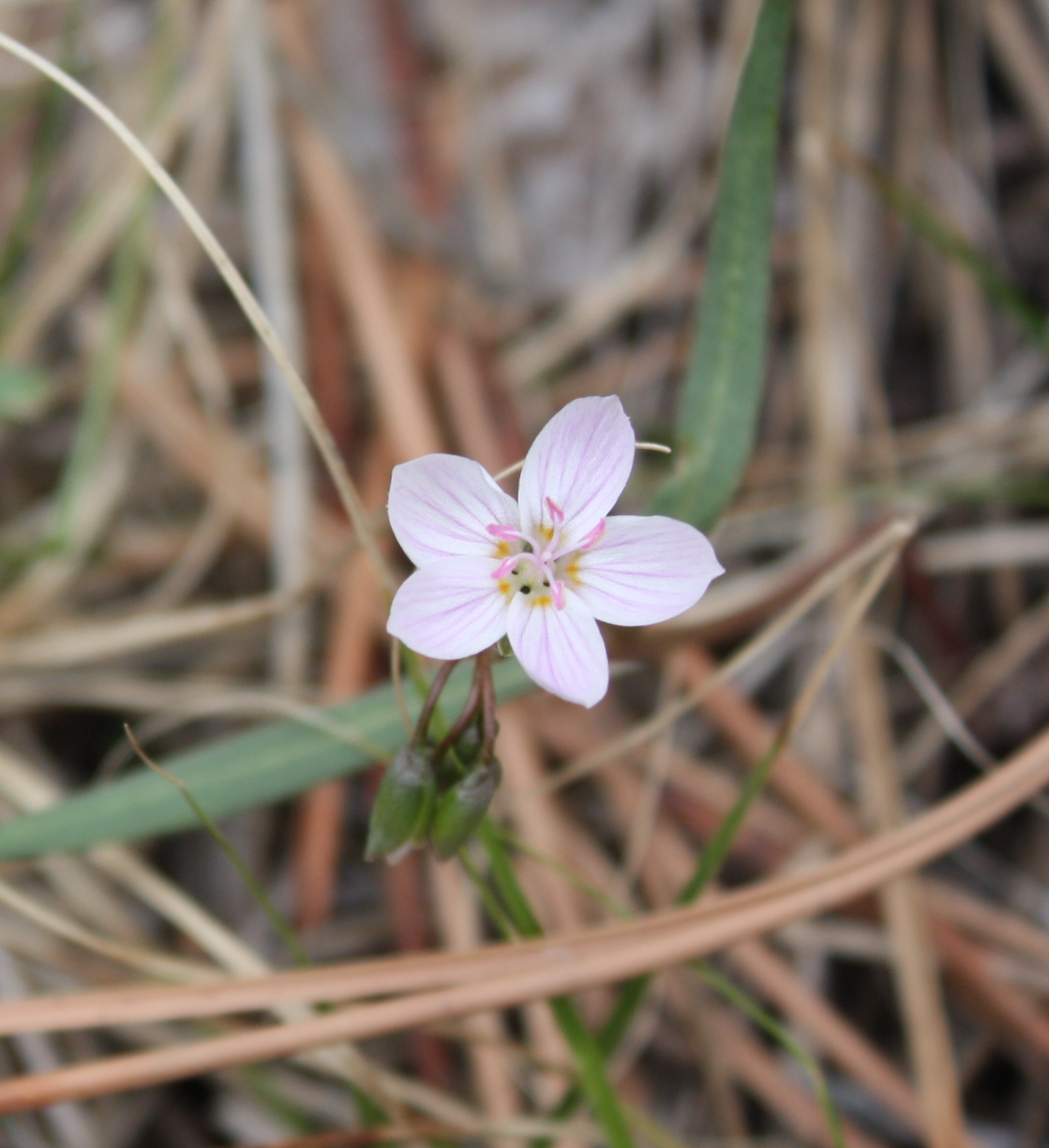
Rosey spring beauty
(Claytonia rosea)
Also Known As
Rosey spring beauty, Roseroot, Pink purslane, Spring beauty
About This Plant
Claytonia rosea is a flowering plant species native to western North America. It is a small, low-growing annual plant that produces delicate pink flowers with five petals. The leaves are heart-shaped and range from green to reddish-purple in color.
Plant Care Instructions
Outdoor Size Range
6-12 inches (15-30 cm)
Light Requirements
Claytonia rosea prefers partial shade to full sun. It can tolerate some shade but will not flower as well.
Humidity Needs
Claytonia rosea prefers moderate humidity levels, but can tolerate drier air.
Fertilizing Schedule
Fertilize Claytonia rosea once a month during the growing season with a balanced fertilizer.
Pruning Guidelines
Deadhead spent flowers to encourage more blooms. Pinch back leggy stems to promote bushier growth.
Common Pests and Diseases
Common pests for Claytonia rosea include aphids, spider mites, and slugs.
Indoor Size Range
6-8 inches (15-20 cm)
Watering Schedule
Keep the soil moist but not waterlogged. Water when the top inch of soil is dry to the touch.
Temperature Range
The ideal temperature range for Claytonia rosea is between 60-75°F (15-24°C).
Growing Season
Claytonia rosea grows best in cool weather and is typically planted in the spring or fall.
Growing Difficulty Level
Claytonia rosea is relatively easy to grow and care for.
USDA Hardiness Zones
Claytonia rosea is hardy in USDA zones 5-9.
Did You Know?
Claytonia rosea is also known as 'rosy spring beauty' and is a popular wildflower in many parts of its native range.