Special Web Offer - Get 50% OFF!
Grab Your Deal Now
PlantSnap
Plant Care
Calamondin
(Citrus microcarpa)
Also Known As
Calamondin, Calamondin orange, Philippine lime
About This Plant
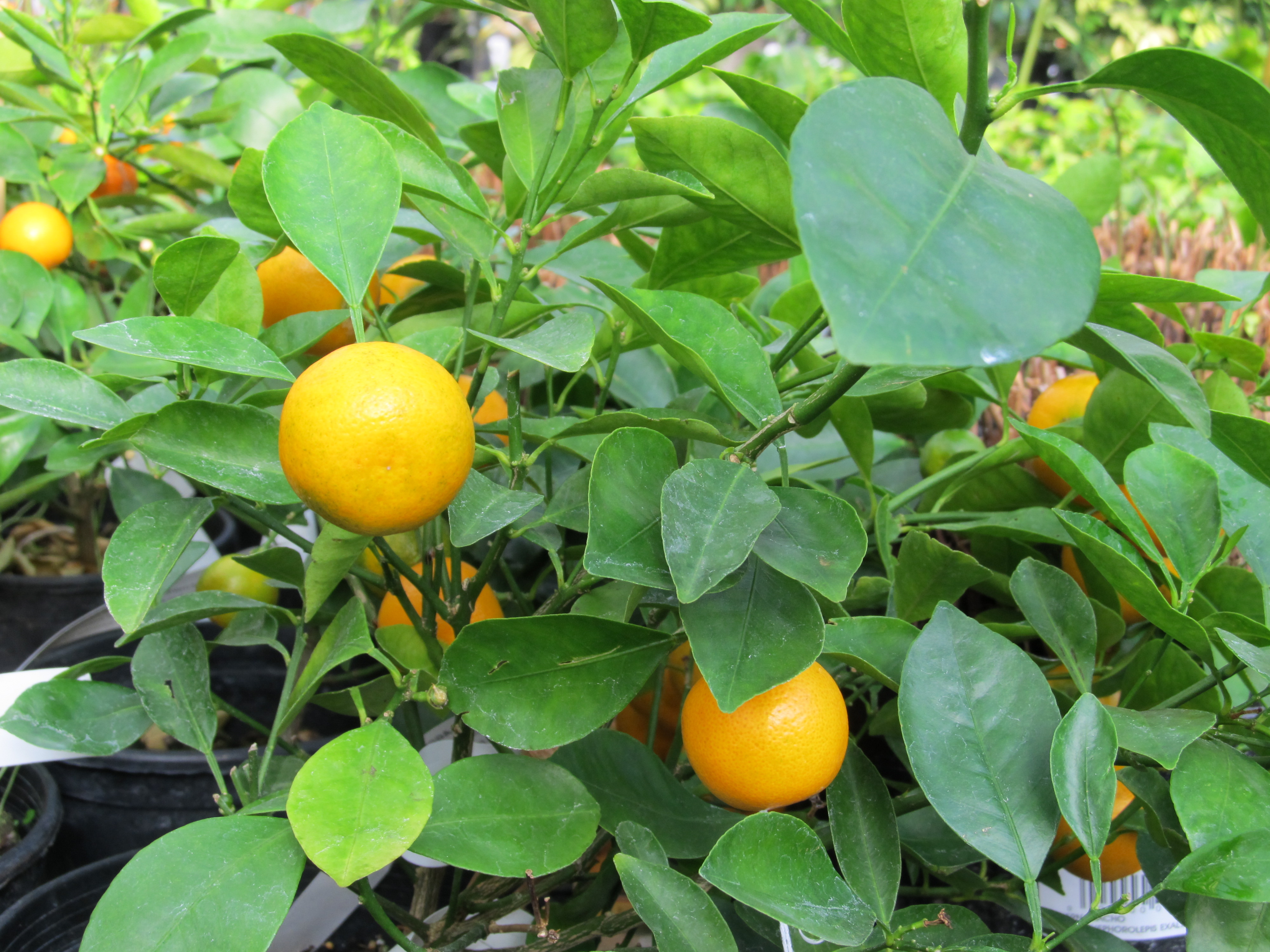
Citrus microcarpa is a small evergreen tree or shrub that belongs to the Rutaceae family. It is native to the Philippines and other parts of Southeast Asia. The plant is known for its small, round, and sour fruits that are used in cooking and as a condiment.
Plant Care Instructions
Outdoor Size Range
6 - 10 feet (1.83 - 3.05 meters)
Light Requirements
Calamondin prefers full sun to partial shade. It needs at least 6 hours of direct sunlight daily.
Humidity Needs
Calamondin prefers moderate to high humidity. Mist the leaves regularly or use a humidifier to increase humidity levels.
Fertilizing Schedule
Feed Calamondin with a balanced fertilizer every 2-3 months during the growing season. Use a citrus-specific fertilizer for best results.
Pruning Guidelines
Prune the plant in late winter or early spring to remove dead or damaged branches. You can also prune to shape the plant.
Common Pests and Diseases
Common pests that affect Calamondin include spider mites, scale insects, and aphids. Diseases that affect the plant include citrus canker and root rot.
Indoor Size Range
24 - 36 inches (60.96 - 91.44 cm)
Watering Schedule
The plant requires regular watering. Water it when the top inch of soil is dry to the touch. Do not overwater as it can lead to root rot.
Temperature Range
The plant prefers warm temperatures between 60 - 85°F (15.56 - 29.44°C). It can tolerate brief periods of cold but not frost.
Growing Season
Calamondin grows best in the spring and summer. It can be grown year-round in tropical climates.
Growing Difficulty Level
Calamondin is moderately difficult to grow. It requires specific growing conditions and regular care to thrive.
USDA Hardiness Zones
9b-11
Did You Know?
Calamondin is believed to be a hybrid of mandarin orange and kumquat. It is commonly used in Filipino, Malaysian, and Indonesian cuisine.