Special Web Offer - Get 50% OFF!
Grab Your Deal Now
PlantSnap
Plant Care
Marsh thistle
(Cirsium palustre)
Also Known As
Marsh thistle, Water thistle, Common marsh thistle
About This Plant
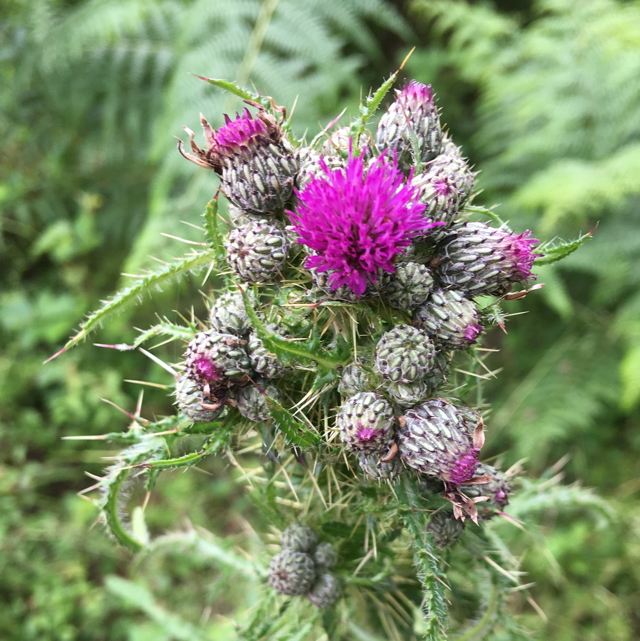
Cirsium palustre is a species of flowering plant in the family Asteraceae. It is commonly known as marsh thistle due to its natural habitat in wetlands and marshes. The plant has a tall stem with spiny leaves and pink or purple flowers that bloom in late summer.
Plant Care Instructions
Outdoor Size Range
24-48 inches (60-120 cm) tall and 18-24 inches (45-60 cm) wide
Light Requirements
Marsh thistle requires full sun for optimal growth. It can tolerate some shade, but may not flower as well.
Humidity Needs
Marsh thistle can tolerate a wide range of humidity levels, but prefers moderate to high humidity.
Fertilizing Schedule
Marsh thistle does not require fertilizer, but can benefit from a balanced, slow-release fertilizer in the spring.
Pruning Guidelines
Deadhead spent flowers to encourage more blooms. Cut back the plant in the fall to prevent self-seeding and to tidy up the garden.
Common Pests and Diseases
Marsh thistle is relatively pest-free, but can attract aphids, spider mites, and thrips. These pests can be controlled with insecticidal soap or neem oil.
Indoor Size Range
Not suitable for indoor growth
Watering Schedule
The plant prefers moist soil, but can tolerate some drought once established. Water regularly during the growing season, but reduce watering in the winter.
Temperature Range
The plant is hardy in USDA zones 3-9 and can tolerate a wide range of temperatures. However, it prefers cool to moderate temperatures and may not do well in hot, dry climates.
Growing Season
Marsh thistle blooms from late summer to early fall.
Growing Difficulty Level
Marsh thistle is moderately easy to grow and can tolerate a wide range of conditions. However, it can be aggressive and may spread quickly in the garden.
USDA Hardiness Zones
3-9
Did You Know?
Marsh thistle is an important food source for bees and other pollinators. The nectar-rich flowers attract a variety of insects, including butterflies and moths.
