Special Web Offer - Get 50% OFF!
Grab Your Deal Now
PlantSnap
Plant Care
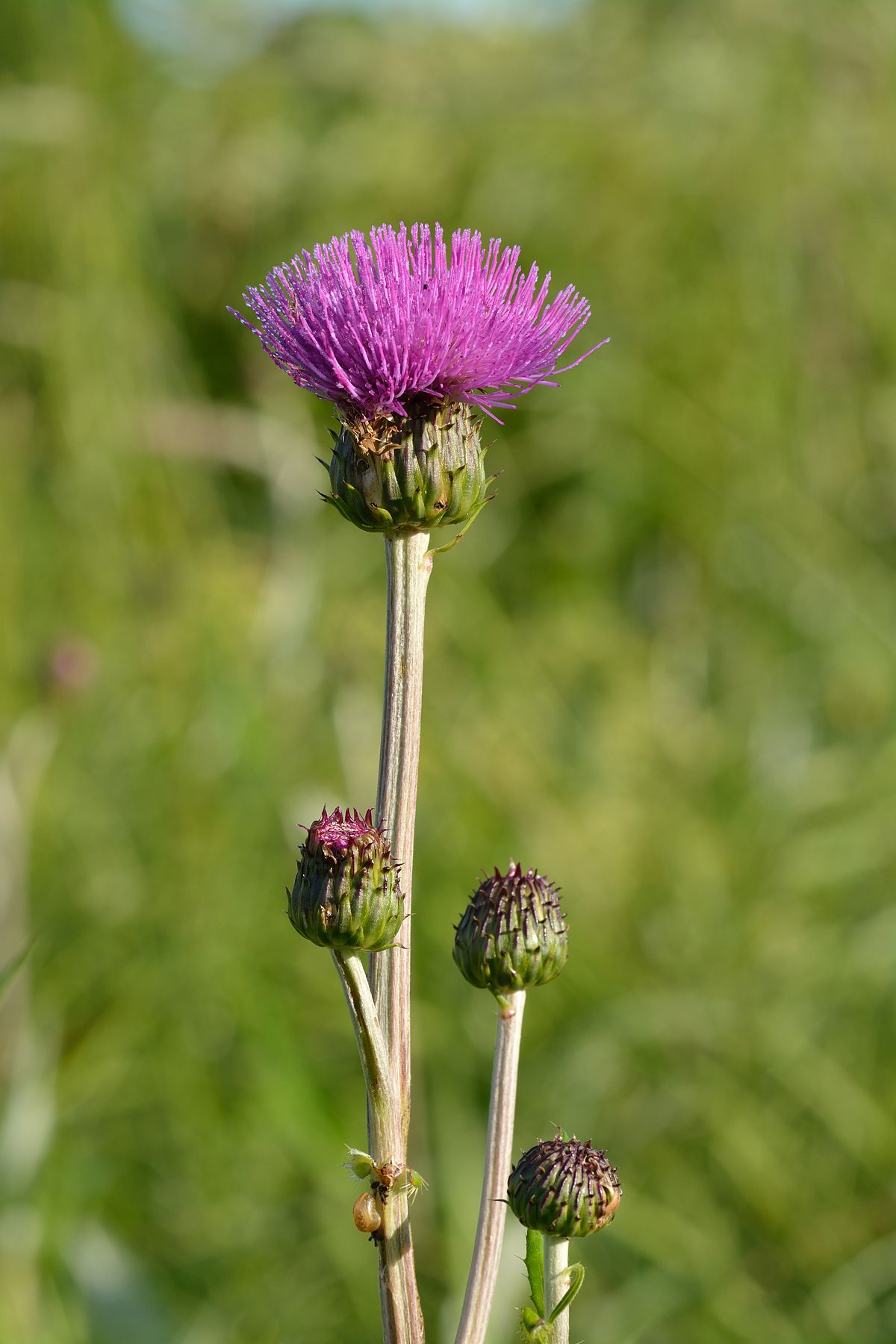
Melancholy thistle
(Cirsium helenioides)
Also Known As
Melancholy thistle, Helen's thistle, Bristly thistle
About This Plant
Cirsium helenioides is a species of flowering plant in the Asteraceae family. It is a biennial herbaceous plant that grows up to 1.5 meters tall. The leaves are deeply lobed and spiny, and the flowers are pink or purple and arranged in heads.
Plant Care Instructions
Outdoor Size Range
24 - 60 inches (60 - 150 cm)
Light Requirements
Helen's thistle requires full sun to partial shade. It can tolerate some shade, but it will not flower as well.
Humidity Needs
Helen's thistle does not have any specific humidity requirements.
Fertilizing Schedule
Helen's thistle does not require fertilizer, but it can benefit from a balanced fertilizer applied in the spring.
Pruning Guidelines
Helen's thistle does not require pruning, but deadheading spent flowers can encourage more blooms.
Common Pests and Diseases
Helen's thistle is generally pest-free, but it can be susceptible to aphids, spider mites, and powdery mildew.
Indoor Size Range
Not suitable for indoor growth
Watering Schedule
Helen's thistle prefers moist soil but can tolerate some drought. Watering should be done when the soil is dry to the touch.
Temperature Range
Helen's thistle can tolerate a wide range of temperatures, but it prefers cooler temperatures between 60-75°F (15-24°C).
Growing Season
Helen's thistle grows in the summer and fall.
Growing Difficulty Level
Helen's thistle is moderately difficult to grow. It requires well-draining soil and can be susceptible to root rot if the soil is too wet.
USDA Hardiness Zones
Helen's thistle is hardy in USDA zones 4-8.
Did You Know?
The genus name Cirsium is derived from the Greek word kirsos, meaning 'swollen vein,' referring to the plant's use in traditional medicine to treat swollen veins and other ailments.
