Special Web Offer - Get 50% OFF!
Grab Your Deal Now
PlantSnap
Plant Care
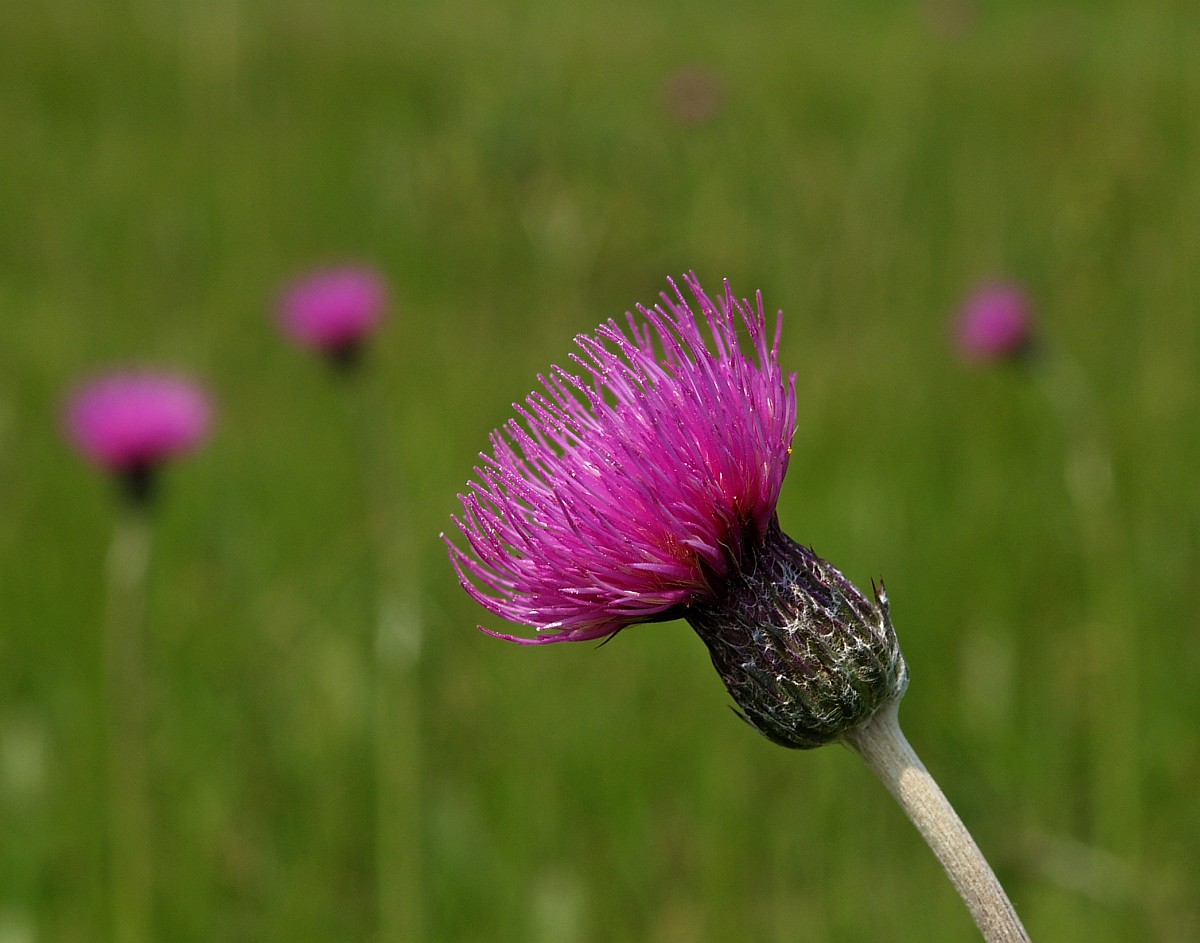
Meadow thistle
(Cirsium dissectum)
Also Known As
Meadow thistle, Fern-leaved thistle
About This Plant
Cirsium dissectum is a biennial or short-lived perennial plant species native to North America. It is known for its prickly stems and leaves, and its purple or pink flowers that bloom in the summer. The plant can grow up to 6 feet (1.8 meters) tall and has a taproot that can extend up to 6 feet (1.8 meters) deep.
Plant Care Instructions
Outdoor Size Range
3-6 feet (0.9-1.8 meters) tall and 1-3 feet (0.3-0.9 meters) wide
Light Requirements
Cutleaf thistle thrives in full sun but can tolerate partial shade. It requires at least 6 hours of direct sunlight per day.
Humidity Needs
Cutleaf thistle can tolerate a wide range of humidity levels, but it prefers moderate humidity.
Fertilizing Schedule
Cutleaf thistle does not require regular fertilization. However, you can apply a balanced fertilizer once a year in the spring to promote growth.
Pruning Guidelines
Prune the plant after it has finished flowering to promote bushier growth. Cut the stems back to the desired height.
Common Pests and Diseases
Cutleaf thistle is susceptible to aphids and spider mites. It can also be affected by fungal diseases such as rust and powdery mildew.
Indoor Size Range
Not suitable for indoor growth
Watering Schedule
This plant species prefers well-draining soil and requires moderate watering. Water the plant when the top inch of soil is dry to the touch.
Temperature Range
This plant species can tolerate a wide range of temperatures. It can survive in temperatures as low as -40°F (-40°C) and as high as 100°F (38°C).
Growing Season
Cutleaf thistle blooms in the summer, from June to August.
Growing Difficulty Level
Cutleaf thistle is relatively easy to grow and maintain.
USDA Hardiness Zones
Cutleaf thistle is hardy in USDA zones 3-9.
Did You Know?
Cutleaf thistle is an important food source for butterflies and bees. Its seeds are also a favorite of goldfinches.
