Special Web Offer - Get 50% OFF!
Grab Your Deal Now
PlantSnap
Plant Care
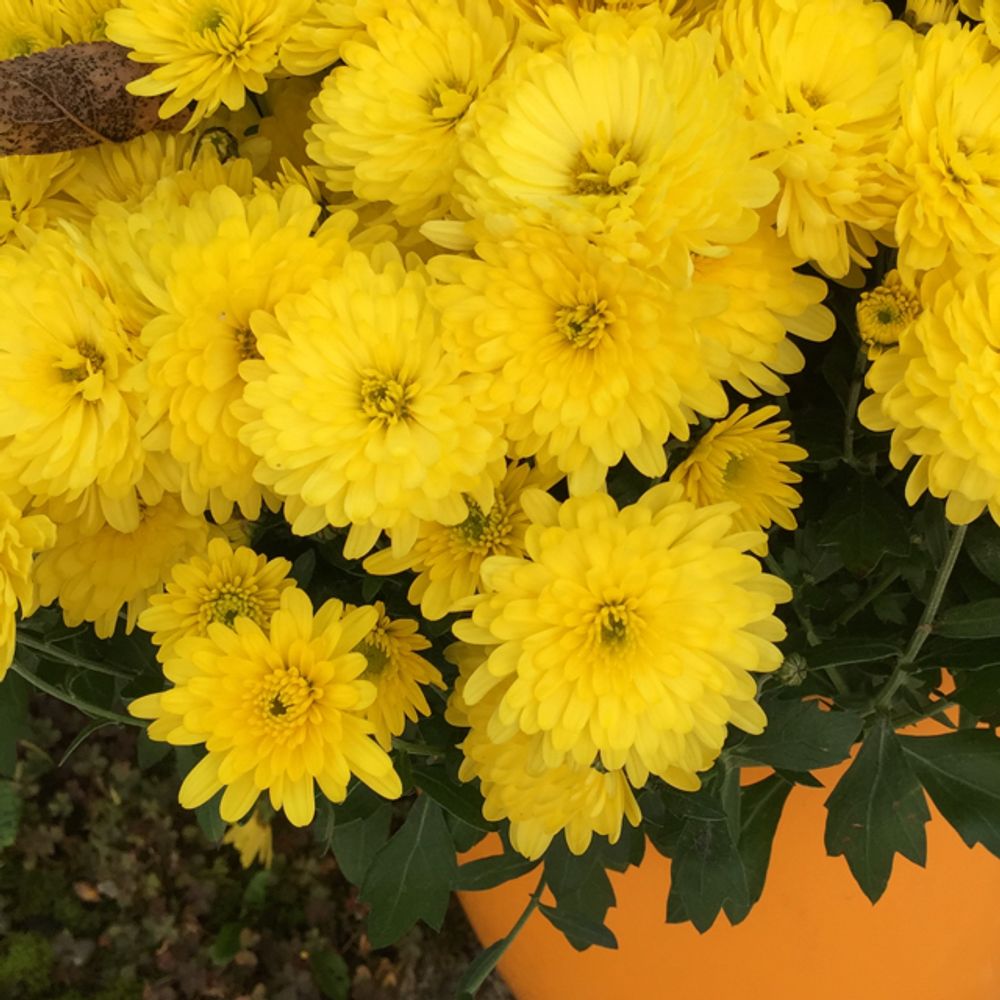
Indian chrysanthemum
(Chrysanthemum indicum)
Also Known As
Indian chrysanthemum, Indigenous chrysanthemum, Chinese chrysanthemum, Mums, Fall mums
About This Plant
Chrysanthemum indicum, also known as Indian Chrysanthemum, is a perennial herbaceous plant that belongs to the Asteraceae family. It is native to East Asia and is widely cultivated for its beautiful flowers.
Plant Care Instructions
Outdoor Size Range
12-36 inches (30-91 cm)
Light Requirements
Chrysanthemums prefer full sun to partial shade. Indoors, they need bright, direct sunlight for at least six hours per day.
Humidity Needs
Chrysanthemums prefer moderate humidity levels. Mist the leaves regularly to increase humidity.
Fertilizing Schedule
Fertilize Chrysanthemums every two weeks with a balanced, water-soluble fertilizer. Reduce fertilization in the winter months.
Pruning Guidelines
Pinch back Chrysanthemum plants in the early summer to promote bushier growth and more flowers. Deadhead spent blooms regularly to encourage continuous blooming.
Common Pests and Diseases
Common pests for Chrysanthemums include aphids, spider mites, and whiteflies. Diseases such as powdery mildew and botrytis can also affect the plant.
Indoor Size Range
12-36 inches (30-91 cm)
Watering Schedule
Water Chrysanthemums deeply and regularly, making sure that the soil is moist but not waterlogged. Allow the top inch of soil to dry out before watering again.
Temperature Range
Chrysanthemums prefer cool temperatures between 60-70°F (15.5-21°C). They can tolerate slightly warmer temperatures, but avoid placing them in hot, dry locations.
Growing Season
Chrysanthemums bloom from late summer to early winter, depending on the cultivar. They are typically planted in the spring or early summer.
Growing Difficulty Level
Chrysanthemums are moderately difficult to grow. They require regular maintenance, including pinching back and deadheading, to promote bushy growth and continuous blooming.
USDA Hardiness Zones
Chrysanthemums are hardy in USDA zones 5-9.
Did You Know?
In Japan, Chrysanthemums are the symbol of the Emperor and are featured on the country's national seal.
