Special Web Offer - Get 50% OFF!
Grab Your Deal Now
PlantSnap
Plant Care
Christmas cactus
(Schlumbergera Bridgesii)
Also Known As
Christmas cactus, Holiday cactus, Cactus de noël
About This Plant
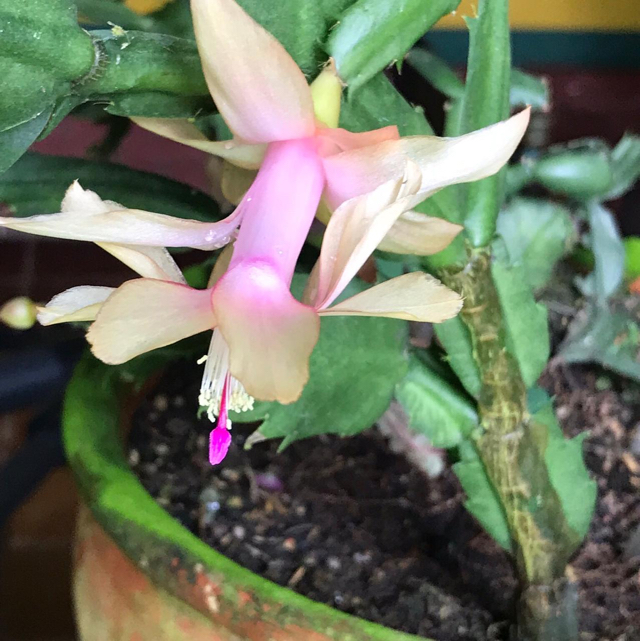
Schlumbergera bridgesii is a species of cactus native to Brazil, where it grows as an epiphyte in shady conditions. It is a popular houseplant commonly known as Christmas cactus due to its tendency to bloom during the holiday season. The plant has flat, segmented stems that are typically green but may have a reddish tint in bright light. The stems are lined with small, spineless, serrated leaves and produce showy flowers at the tips.
Plant Care Instructions
Outdoor Size Range
Not applicable
Light Requirements
Schlumbergera bridgesii prefers bright but indirect light. Direct sunlight can scorch the leaves and cause the plant to wilt.
Humidity Needs
Schlumbergera bridgesii prefers moderate to high humidity levels. Placing a tray of water near the plant or misting the leaves can help increase humidity.
Fertilizing Schedule
The plant should be fertilized every 2-4 weeks during the growing season (spring and summer) with a balanced fertilizer. No fertilizer is needed during the dormant season (fall and winter).
Pruning Guidelines
Schlumbergera bridgesii should be pruned after blooming to encourage bushier growth. Pinching back the tips of the stems can also promote branching.
Common Pests and Diseases
Common pests for Schlumbergera bridgesii include mealybugs, spider mites, and scale insects. Diseases such as root rot can also occur if the plant is overwatered.
Indoor Size Range
6-12 inches (15-30 cm)
Watering Schedule
The plant should be watered when the top inch of soil feels dry to the touch. Schlumbergera bridgesii prefers moist soil but can be prone to root rot if overwatered.
Temperature Range
Schlumbergera bridgesii prefers temperatures between 60-70°F (15-21°C) but can tolerate temperatures as low as 50°F (10°C) and as high as 90°F (32°C).
Growing Season
The growing season for Schlumbergera bridgesii is spring and summer.
Growing Difficulty Level
Schlumbergera bridgesii is relatively easy to grow as a houseplant, but it can be finicky when it comes to blooming. The plant requires a period of cool temperatures and short days to set buds, which can be challenging to replicate indoors.
USDA Hardiness Zones
Schlumbergera bridgesii is not hardy and should be grown as a houseplant. It is not assigned a USDA hardiness zone.
Did You Know?
The Christmas cactus is not actually a true cactus but is instead a type of epiphyte, which means it grows on other plants rather than in soil. In its native habitat, it is often found growing in the branches of trees.
