Special Web Offer - Get 50% OFF!
Grab Your Deal Now
PlantSnap
Plant Care
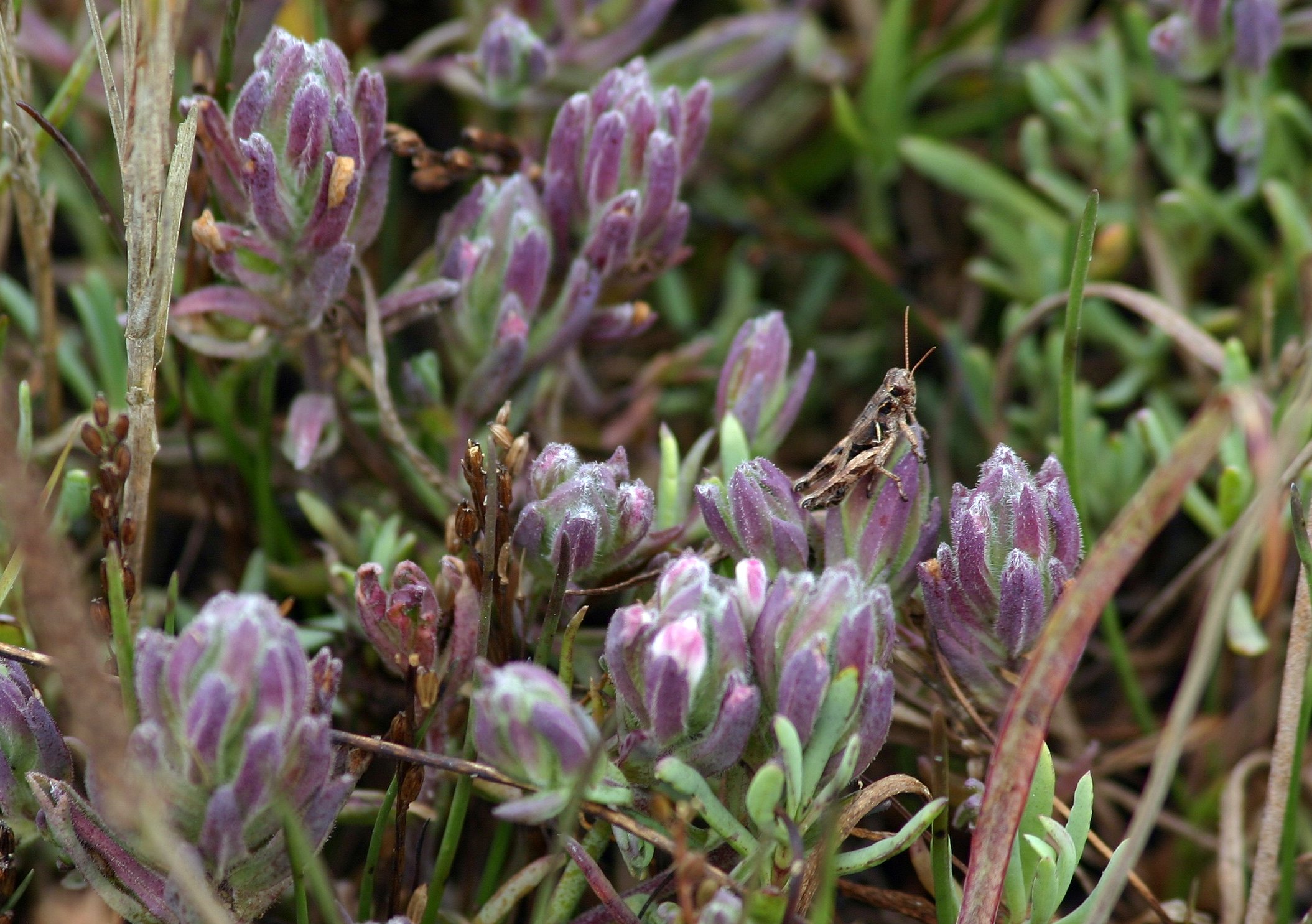
Salt marsh bird's-beak
(Chloropyron maritimum maritimum)
Also Known As
Salt marsh bird's-beak, Saltmarsh locoweed, Western saltmarsh locoweed
About This Plant
Chloropyron maritimum maritimum is a perennial herb with a taproot that can grow up to 1 meter (3.3 feet) long. The plant has a branching stem that can reach up to 1 meter (3.3 feet) in height. It has narrow leaves that are about 5-20 cm (2-8 inches) long and 1-5 mm (0.04-0.2 inches) wide. The plant produces clusters of small pink or white flowers that bloom from May to August.
Plant Care Instructions
Outdoor Size Range
Height: 1 meter (3.3 feet)
Light Requirements
Chloropyron maritimum maritimum prefers full sun but can tolerate partial shade.
Humidity Needs
This plant does not have specific humidity requirements.
Fertilizing Schedule
This plant does not require fertilizer.
Pruning Guidelines
Deadhead the flowers to encourage more blooms and cut back the stems in the fall after the plant has finished blooming.
Common Pests and Diseases
This plant is relatively pest-free but can be affected by aphids, spider mites, and whiteflies.
Indoor Size Range
Not suitable for indoor growing
Watering Schedule
This plant is drought-tolerant and does not require frequent watering. Water the plant deeply once a week during the growing season and reduce watering in winter.
Temperature Range
Chloropyron maritimum maritimum can tolerate a wide range of temperatures, from -10°C (14°F) to 40°C (104°F).
Growing Season
The growing season for this plant is from spring to fall.
Growing Difficulty Level
Chloropyron maritimum maritimum is easy to grow and requires minimal care.
USDA Hardiness Zones
Chloropyron maritimum maritimum is hardy in USDA zones 8-10.
Did You Know?
Chloropyron maritimum maritimum is commonly used in dried flower arrangements due to its long-lasting blooms and attractive color.