Special Web Offer - Get 50% OFF!
Grab Your Deal Now
PlantSnap
Plant Care
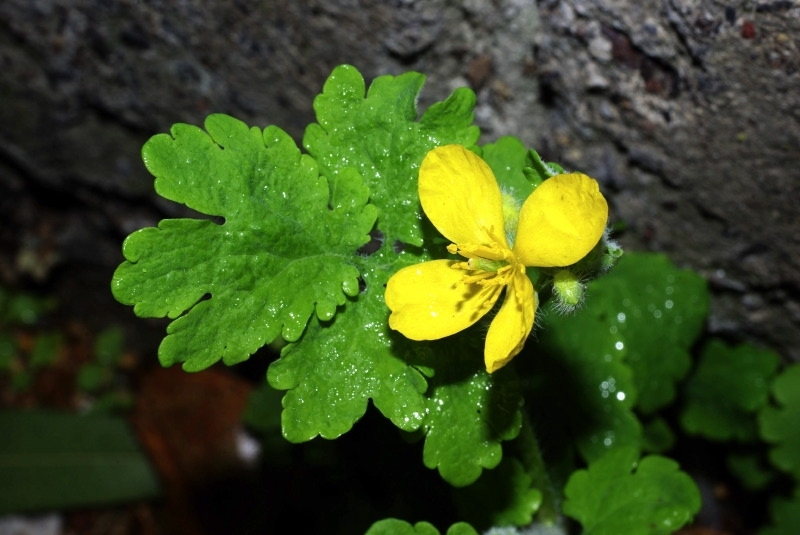
Greater celandine
(Chelidonium majus)
Also Known As
Greater celandine, Celandine, Swallowwort, Tetterwort
About This Plant
Chelidonium majus is a perennial herbaceous plant that belongs to the Papaveraceae family. It is commonly known as Greater Celandine or Tetterwort. The plant has a yellow-orange sap that has been used for medicinal purposes for centuries.
Plant Care Instructions
Outdoor Size Range
24-48 inches (61-122 cm)
Light Requirements
Chelidonium majus prefers full sun to partial shade.
Humidity Needs
The plant prefers average humidity levels.
Fertilizing Schedule
The plant does not require much fertilizer, but a general-purpose fertilizer can be applied once a month during the growing season.
Pruning Guidelines
Pruning should be done in early spring to remove any dead or damaged stems.
Common Pests and Diseases
The plant is generally pest-free, but it can be susceptible to aphids and spider mites.
Indoor Size Range
12-24 inches (30.5-61 cm)
Watering Schedule
The plant requires moderate watering, and the soil should be kept moist but not waterlogged.
Temperature Range
Chelidonium majus can tolerate a wide range of temperatures, but it prefers a cool environment.
Growing Season
Chelidonium majus grows from late spring to early fall.
Growing Difficulty Level
Chelidonium majus is easy to grow and is suitable for beginner gardeners.
USDA Hardiness Zones
Chelidonium majus is hardy in USDA zones 3-9.
Did You Know?
The sap of Chelidonium majus has been used to treat various ailments, including warts, ringworm, and eye infections. However, the sap can also cause skin irritation, so it should be used with caution.
