Special Web Offer - Get 50% OFF!
Grab Your Deal Now
PlantSnap
Plant Care
Night-blooming jasmine
(Cestrum nocturnum)
Also Known As
Night-blooming jasmine, Night jessamine, Chandni, Raat rani
About This Plant
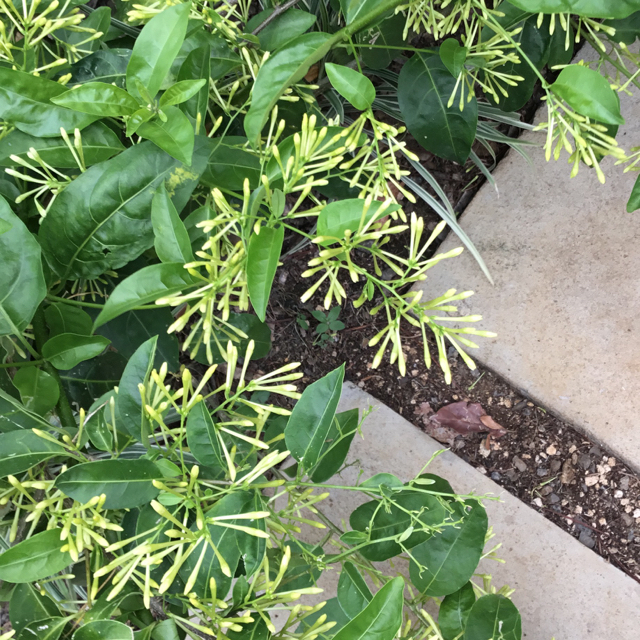
Cestrum nocturnum is a species of flowering plant in the family Solanaceae. It is also known as night-blooming jasmine, night-blooming cestrum, and raat ki rani. This plant is native to the West Indies and has been introduced to other tropical areas worldwide. It is a shrub or small tree that can grow up to 13 feet (4 meters) tall with a spread of up to 10 feet (3 meters). The leaves are dark green and glossy, and the flowers are small, tubular, and white or greenish-white in color. The flowers are highly fragrant and bloom at night, attracting moths and other nocturnal pollinators.
Plant Care Instructions
Outdoor Size Range
6-13 feet (183-396 cm)
Light Requirements
Cestrum nocturnum prefers full sun to partial shade. It can tolerate some shade but may not bloom as well.
Humidity Needs
This plant prefers moderate to high humidity levels, around 50-60%. Mist the leaves occasionally to increase humidity.
Fertilizing Schedule
Fertilize the plant every 2-3 weeks during the growing season with a balanced fertilizer. Reduce fertilization in winter.
Pruning Guidelines
Prune the plant in late winter or early spring to maintain its shape and encourage blooming. Remove any dead or damaged branches.
Common Pests and Diseases
Common pests include aphids, spider mites, and whiteflies. Diseases are usually not a problem for this plant.
Indoor Size Range
3-6 feet (91-183 cm)
Watering Schedule
Water the plant regularly, keeping the soil moist but not waterlogged. Reduce watering in winter.
Temperature Range
Cestrum nocturnum prefers warm temperatures between 60-80°F (15-27°C). It can tolerate temperatures down to 40°F (4°C) but may drop its leaves.
Growing Season
The growing season for Cestrum nocturnum is from spring to fall, with blooming occurring in summer and fall.
Growing Difficulty Level
Cestrum nocturnum is relatively easy to grow and care for, making it a good choice for beginner gardeners.
USDA Hardiness Zones
Cestrum nocturnum is hardy in USDA zones 9-11.
Did You Know?
In some cultures, the fragrance of Cestrum nocturnum is believed to be an aphrodisiac and is used in perfumes and love potions.
