Special Web Offer - Get 50% OFF!
Grab Your Deal Now
PlantSnap
Plant Care
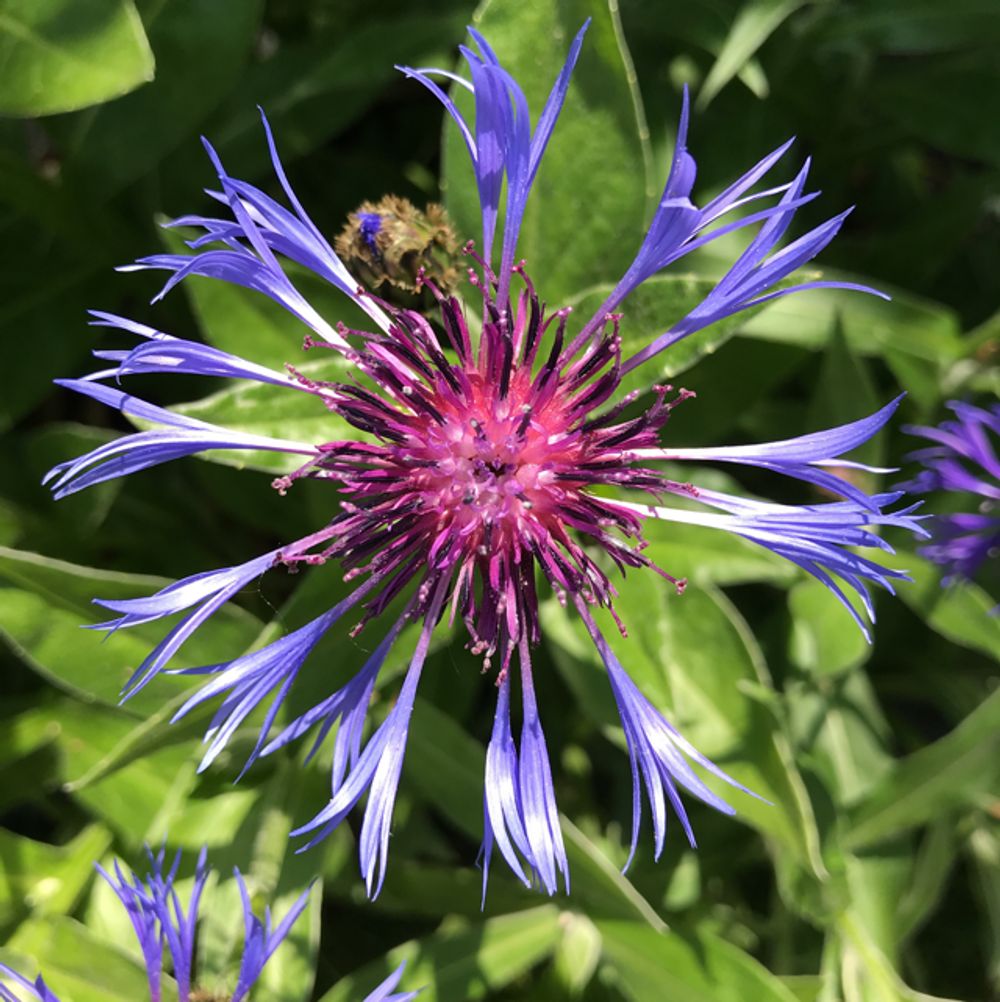
Cornflower
(Centaurea cyanus)
Also Known As
Cornflower, Bachelor's button, Bluebottle, Basketflower
About This Plant
Centaurea cyanus, commonly known as cornflower or bachelor's button, is an annual flowering plant that belongs to the Asteraceae family. The plant is native to Europe and Asia, but now it is widely cultivated all over the world as an ornamental plant. The plant is known for its blue, pink, and white flowers, which bloom in summer.
Plant Care Instructions
Outdoor Size Range
12-40 inches (30-100 cm)
Light Requirements
Cornflowers need full sun to grow properly. At least 6 hours of direct sunlight is required for healthy growth.
Humidity Needs
Cornflowers prefer a dry environment and do not require high humidity levels.
Fertilizing Schedule
Cornflowers do not require much fertilizer. A balanced fertilizer can be applied once a month during the growing season.
Pruning Guidelines
Deadheading spent flowers can encourage the plant to produce more blooms. Prune back any leggy stems to promote bushier growth.
Common Pests and Diseases
Cornflowers are generally not affected by pests or diseases. However, aphids and spider mites can sometimes infest the plants.
Indoor Size Range
8-12 inches (20-30 cm)
Watering Schedule
Cornflowers require moderate watering, and the soil should be kept moist but not waterlogged. Water the plant when the top inch of soil is dry.
Temperature Range
Cornflowers grow well in a temperature range of 60-70°F (15-21°C).
Growing Season
The growing season for cornflowers is from late spring to early fall.
Growing Difficulty Level
Cornflowers are easy to grow and maintain. They are suitable for beginner gardeners.
USDA Hardiness Zones
Centaurea cyanus can be grown in USDA hardiness zones 3-11.
Did You Know?
Centaurea cyanus is the national flower of Estonia.
