Special Web Offer - Get 50% OFF!
Grab Your Deal Now
PlantSnap
Plant Care
Foxtail grass
(Cenchrus divisus)
Also Known As
Foxtail grass, Burgrass, Sandbur
About This Plant
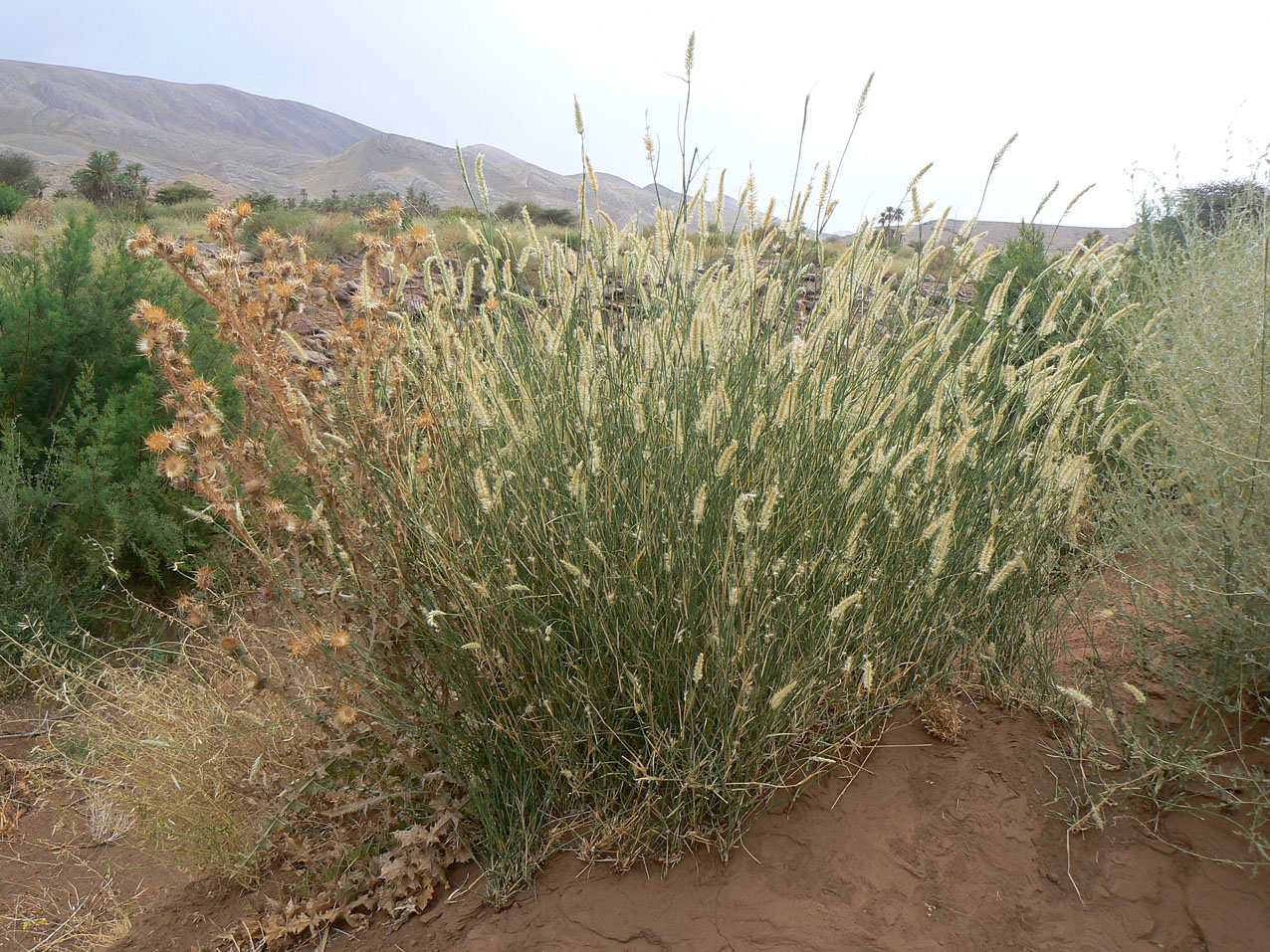
Cenchrus divisus is a species of grass known by the common name sandbur. It is native to the Americas and it is an annual plant that can grow up to 2 feet tall (60 cm). The plant has a distinctive inflorescence that looks like a bur.
Plant Care Instructions
Outdoor Size Range
Up to 2 feet (60 cm)
Light Requirements
Sandbur requires full sun for optimal growth. It can tolerate partial shade, but it will not thrive in low light conditions.
Humidity Needs
Sandbur is adapted to dry environments and it does not require high humidity levels. It can tolerate low humidity without any problems.
Fertilizing Schedule
Sandbur does not require fertilizer, but it will benefit from a light application of a balanced fertilizer in the spring.
Pruning Guidelines
Sandbur does not require pruning, but it can be mowed to prevent the plant from going to seed and spreading.
Common Pests and Diseases
Common pests of sandbur include grasshoppers, cutworms, and armyworms. Diseases that can affect sandbur include rust and smut.
Indoor Size Range
Not suitable for indoor cultivation
Watering Schedule
Sandbur is a drought-tolerant plant that does not require frequent watering. It can survive on rainfall alone, but it will benefit from occasional watering during prolonged dry spells.
Temperature Range
Sandbur can grow in a wide range of temperatures, from hot and arid to cool and moist. It is adapted to tropical, subtropical, and temperate climates.
Growing Season
Sandbur can be grown year-round in tropical and subtropical climates. In temperate climates, it is an annual plant that grows during the summer months.
Growing Difficulty Level
Sandbur is easy to grow and it is tolerant of a wide range of growing conditions.
USDA Hardiness Zones
Sandbur is not rated for USDA hardiness zones.
Did You Know?
The spiny bur of the sandbur plant can cause significant injury to animals and humans. In some areas, it is considered a noxious weed and efforts are made to eradicate it.
